Skip to content

Introduction
In the realm of dental care, the choices between tooth extraction and root canal therapy present pivotal crossroads for patient health and well-being. Both procedures are frequently employed to address dental issues, yet the treatment objectives significantly differ. Root canal treatment is predominantly aimed at preserving a natural tooth that has been compromised by deep decay or infection. This vital method involves eliminating the infected pulp, disinfecting the tooth’s internal structure, and sealing it to avert future complications—thereby maintaining both aesthetics and functionality.
On the other hand, tooth extraction involves the complete removal of a tooth deemed irreparable or a risk to surrounding dental health. The reasons for extraction often encompass severe periodontal disease, extensive decay, or trauma that exceeds restorative options. While this procedure effectively alleviates pain and infection, it can create future challenges concerning tooth replacement and overall oral stability.
Patients must grasp these fundamental differences as they evaluate their dental treatment options. By understanding the objectives, risks, and benefits associated with root canal therapy versus extraction, individuals can make informed decisions that align with their dental health goals. This article aims to explore these distinctions further, providing a comprehensive overview to guide readers through the complexities of modern dental care.
Treatment Objectives: Tooth Extraction vs Root Canal
In dentistry, the treatment objectives for tooth extraction and root canal therapy are fundamentally different, reflecting distinct approaches towards dental health preservation. The primary goal of a root canal procedure is to save a natural tooth that is compromised due to deep decay or infection. This method aims to remove the infected pulp within the tooth, disinfect the inner chamber, and seal it to prevent future complications. By preserving the natural tooth structure, a root canal maintains functionality and aesthetics, significantly contributing to a patient’s oral health.
Conversely, the objective of a tooth extraction is to remove a tooth that is beyond repair or poses a risk to surrounding teeth and overall dental health. Extractions may be recommended in cases of severe periodontal disease, extensive decay, or trauma, where root canal treatment is no longer a viable option. While tooth extractions can eliminate sources of pain and infection, they often lead to the need for replacement options to maintain oral function.
Understanding these fundamental differences is crucial for patients facing decisions regarding their dental treatment. By weighing the treatment objectives of a root canal against those of a tooth extraction, individuals can better comprehend the implications of each procedure and make informed choices about their dental care.
Assessing Tooth Restorability and Viability
Determining the restorability of a tooth is a critical process in dentistry, influencing the decision between a root canal treatment and a tooth extraction. Dental professionals utilize several criteria to evaluate whether a tooth can be preserved effectively or if extraction is the preferable course of action. Key indicators include the extent of decay or damage, the health of surrounding tissues, and the tooth’s overall structural integrity.
For instance, if a tooth has significant decay or trauma but the root structure is intact and the surrounding bone is healthy, root canal therapy may be a viable option. This procedure aims to save the tooth by removing infected pulp and sealing the canal, allowing the tooth to remain functional. Conversely, if the tooth exhibits severe infection, substantial bone loss, or is beyond repair due to fracture, extraction may be recommended.
Furthermore, the presence of periodontal disease can impact a tooth’s viability. Evaluating the health of the gums and supporting bone is essential, as an unhealthy foundation can jeopardize the success of any restorative efforts. Dental imaging, such as X-rays, plays an indispensable role in this assessment by providing detailed insights into the tooth’s condition. Understanding these criteria not only aids in making an informed decision but also enhances the overall management of dental health and longevity.
Managing Dental Infections: Root Canal vs Extraction
When dealing with dental infections, both root canals and tooth extractions serve as crucial interventions but operate in fundamentally different ways. A root canal is designed to eliminate infection by removing the infected pulp within the tooth, followed by cleaning and sealing the interior to prevent future bacterial growth. This procedure effectively treats the infection while preserving the tooth structure, aimed at maintaining natural oral function.
In contrast, tooth extraction involves the complete removal of the infected tooth, which may be necessary if the infection is severe or if the tooth is too damaged to restore. Extractions can quickly alleviate pain and remove the source of infection, yet they result in the loss of the tooth. Consequently, managing the infection through extraction may lead to additional considerations, such as the need for prosthetic replacements like dental implants or bridges.
Both procedures alleviate the immediate issue of infection, yet they come with different long-term considerations for oral health. Patients should understand that while a root canal focuses on infection control and tooth preservation, extraction may lead to further oral complications if not followed by appropriate restoration. Ultimately, the choice between a root canal and extraction should be guided by a comprehensive assessment from a dental professional, taking into account the nature of the infection and the condition of the tooth.
Procedural Considerations: What to Expect
Patients undergoing dental procedures should be well-informed about what to expect during both root canal treatments and tooth extractions. A root canal typically involves the removal of infected pulp tissue from the tooth’s interior, followed by cleaning and sealing the canal to prevent future infection. This procedure is usually performed under local anesthesia, ensuring minimal discomfort. Post-treatment, patients may experience some swelling or mild pain, manageable with over-the-counter pain relievers, and full recovery typically occurs within a few days.
Conversely, a tooth extraction involves the complete removal of a tooth, which may be due to severe decay, infection, or crowding. Local anesthesia is also used in this procedure, and in some cases, sedation may be offered for anxious patients. Following an extraction, patients can expect some bleeding, swelling, and discomfort, which generally subsides within a week.
Both procedures require aftercare to promote healing. Patients are advised to avoid strenuous activities and should adhere to their dentist’s guidelines regarding diet and oral hygiene. Recovery times can vary, with root canal patients generally experiencing a quicker return to normal functions compared to those undergoing extractions, who may require additional time for healing. Understanding these procedural nuances helps patients make informed decisions regarding their dental health.
Long-Term Outcomes: Comparing Root Canal and Extraction
Long-term outcomes play a crucial role in the decision-making process surrounding root canals and tooth extractions. A root canal aims to preserve the natural tooth, allowing for continued function and aesthetics. If successful, this procedure can lead to a preserved tooth that can last for many years, contributing to overall oral health by maintaining the natural alignment of surrounding teeth.
Conversely, tooth extraction involves the permanent removal of the affected tooth. This option may resolve immediate dental issues but can lead to subsequent complications, such as shifts in adjacent teeth, bite misalignment, and bone loss in the jaw. Such changes may necessitate further dental procedures, such as implants or bridges, to restore proper function and appearance.
Complications for both procedures can differ significantly. While root canals may face risks such as reinfection or incomplete treatment, extractions can lead to issues like gum and bone deterioration if not properly managed. Therefore, the long-term oral health impact of each procedure must be carefully considered.
Ultimately, the decision between a root canal and tooth extraction should account for individual factors, including the specific condition of the tooth, overall dental health, and personal preferences regarding future dental restoration options. Awareness of these long-term outcomes can aid patients and dental professionals in making informed choices that best support enduring oral health.
Implications of Tooth Replacement After Extraction
Tooth extraction can have significant implications for a patient’s oral health, necessitating the consideration of tooth replacement options. Once a tooth is extracted, the surrounding teeth may shift, leading to misalignment and bite problems. This shift can dramatically affect oral function and aesthetics, which is why timely replacement is crucial.
Dental implants are a popular choice among patients seeking to replace a missing tooth. This option involves inserting a titanium post into the jawbone, providing a strong foundation that mimics the natural tooth root. Implants not only restore function but also stimulate bone growth, thereby preventing bone loss, which often occurs after an extraction.
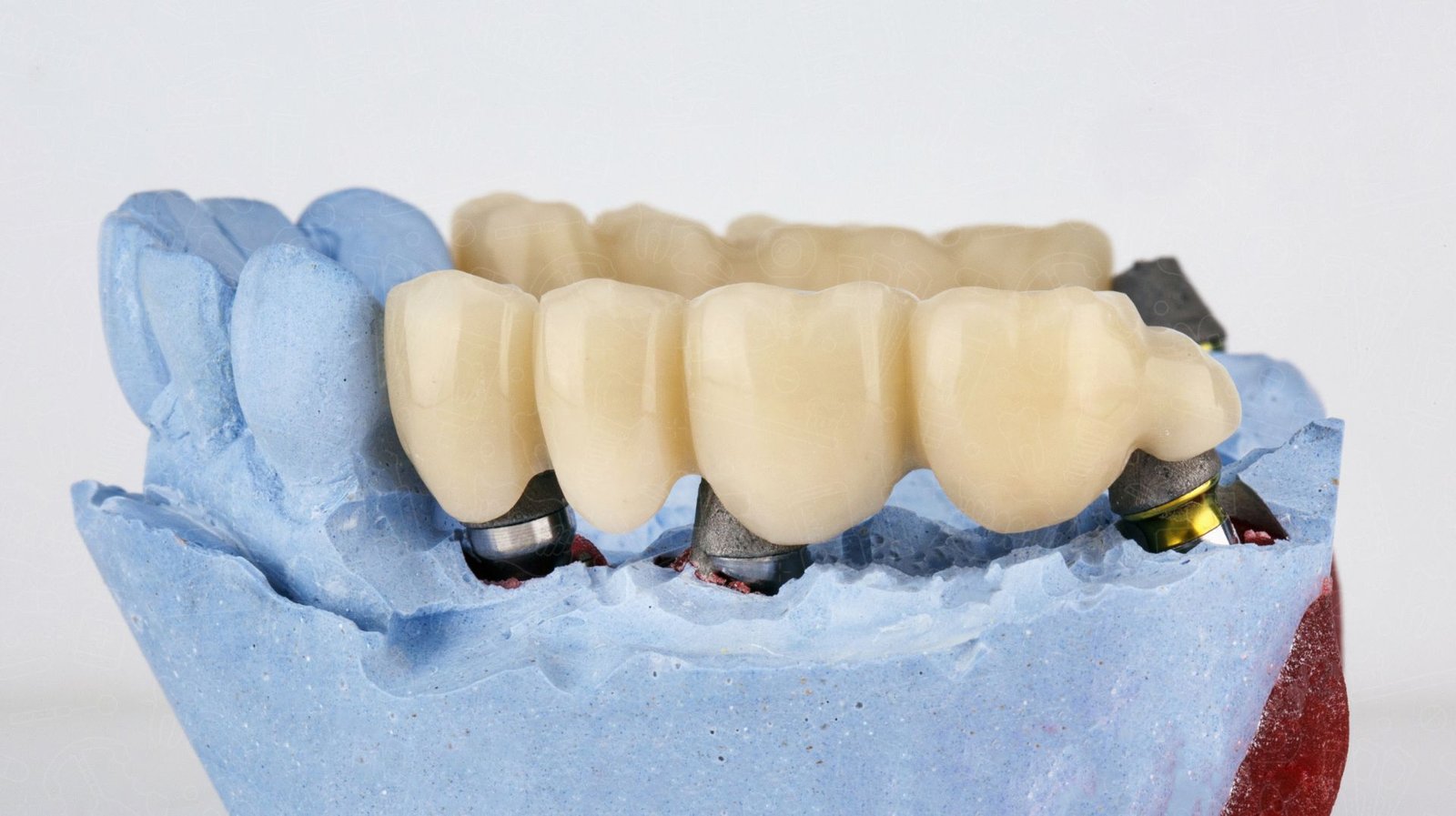
Another viable alternative is a dental bridge, which spans the gap left by an extracted tooth. Bridges can help maintain the structural integrity of the mouth while restoring chewing function and aesthetics. However, they require alterations to adjacent teeth for support, which can lead to additional complications later on.
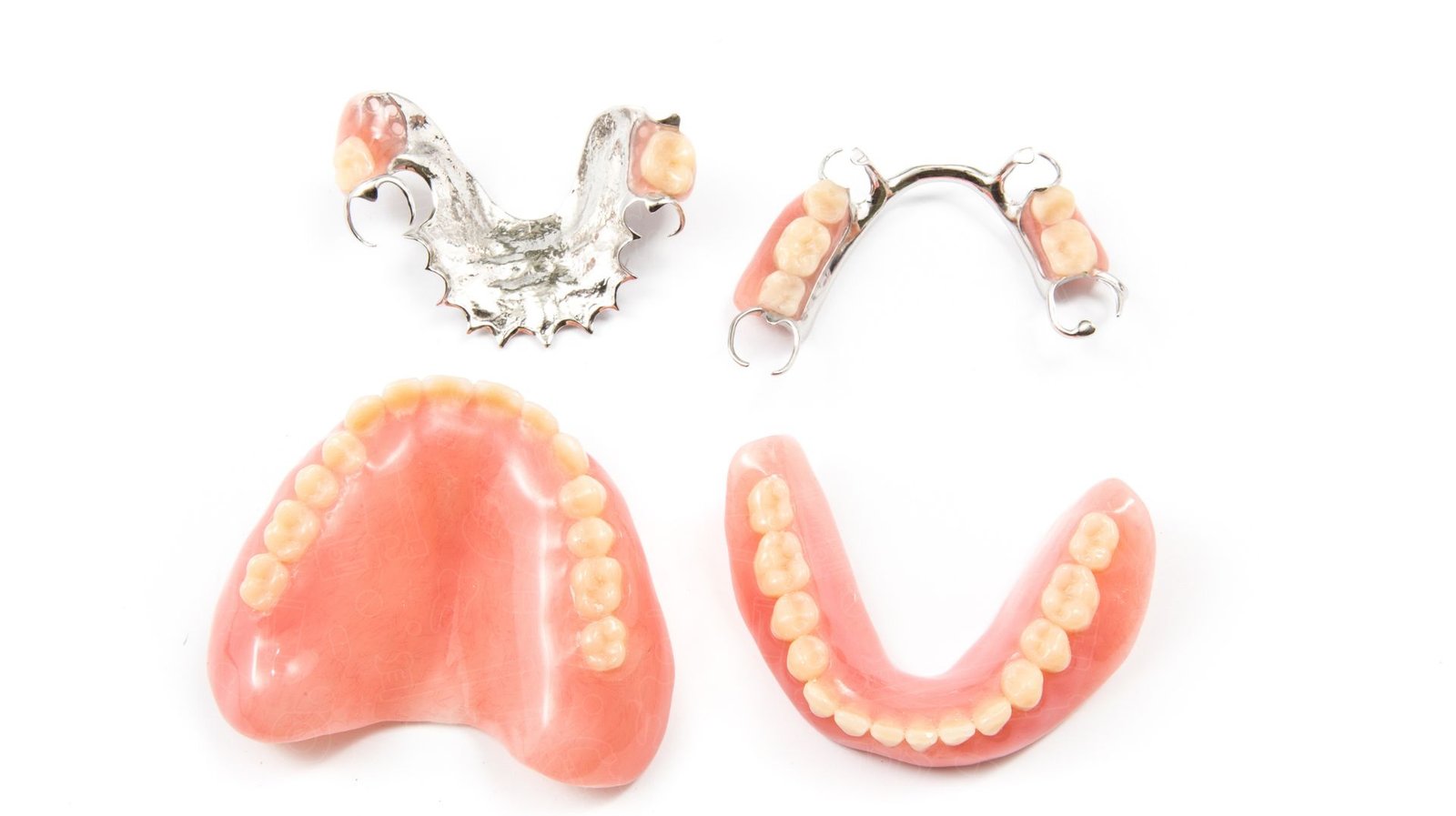
In conclusion, the implications of tooth replacement after extraction extend beyond mere aesthetics; they encompass vital aspects of oral health, including alignment, functionality, and structural integrity. Patients are encouraged to discuss these options with their dental professional to select the most suitable solution tailored to their specific needs and overall oral health strategy.
Conclusion
In summary, the decision between root canal therapy and tooth extraction is a consequential aspect of dental care that requires careful evaluation of individual circumstances. Both procedures serve specific purposes in addressing dental health challenges, with root canals focused on preservation and restoration, while extractions provide a solution for irreparable damage or infection. Understanding the treatment objectives, procedural expectations, and long-term outcomes of each option empowers patients to make informed decisions aligned with their oral health goals.
Moreover, the implications of tooth replacement following extraction cannot be overlooked, as timely restoration is vital for maintaining alignment, function, and aesthetic appearance. Patients should consider the possible need for dental implants or bridges as part of their overall treatment strategy, ensuring they address both immediate needs and long-term oral health.
Ultimately, engaging in open conversations with dental professionals is essential to navigate the complexities of treatment options. By being well-informed, patients can choose the most suitable path for their dental health, fostering a lifetime of oral wellness and vitality. This comprehensive understanding not only equips individuals to tackle their current dental issues but also promotes proactive care for lasting results.