Skip to content

Introduction
In the realm of restorative dentistry, understanding the differences between dental bridges and partial dentures is imperative for patients facing tooth loss. These two solutions are designed to restore function and aesthetics in a person’s smile, yet they cater to distinct needs and preferences. A dental bridge, which is fixed in place, is anchored to adjacent teeth or implants and offers a seamless appearance, ensuring that patients can regain a confident bite and improved oral function. On the other hand, partial dentures present a removable alternative, designed to replace one or more missing teeth while supported by remaining natural teeth and gum tissues.
The decision regarding whether to opt for a dental bridge or partial denture hinges on individual factors such as the number and placement of missing teeth, the health of surrounding teeth, and personal priorities regarding convenience and permanence. While dental bridges are favored for their stability and aesthetic appeal, partial dentures provide flexibility and ease of maintenance. As patients explore these options, understanding the implications of each treatment, including costs and care requirements, becomes crucial in making an informed choice. By delving deep into the nuances of both restorative solutions, individuals can select the best option suited to their unique dental situation and lifestyle, ultimately enhancing their quality of life and oral health.
Understanding Dental Bridge vs Partial Denture
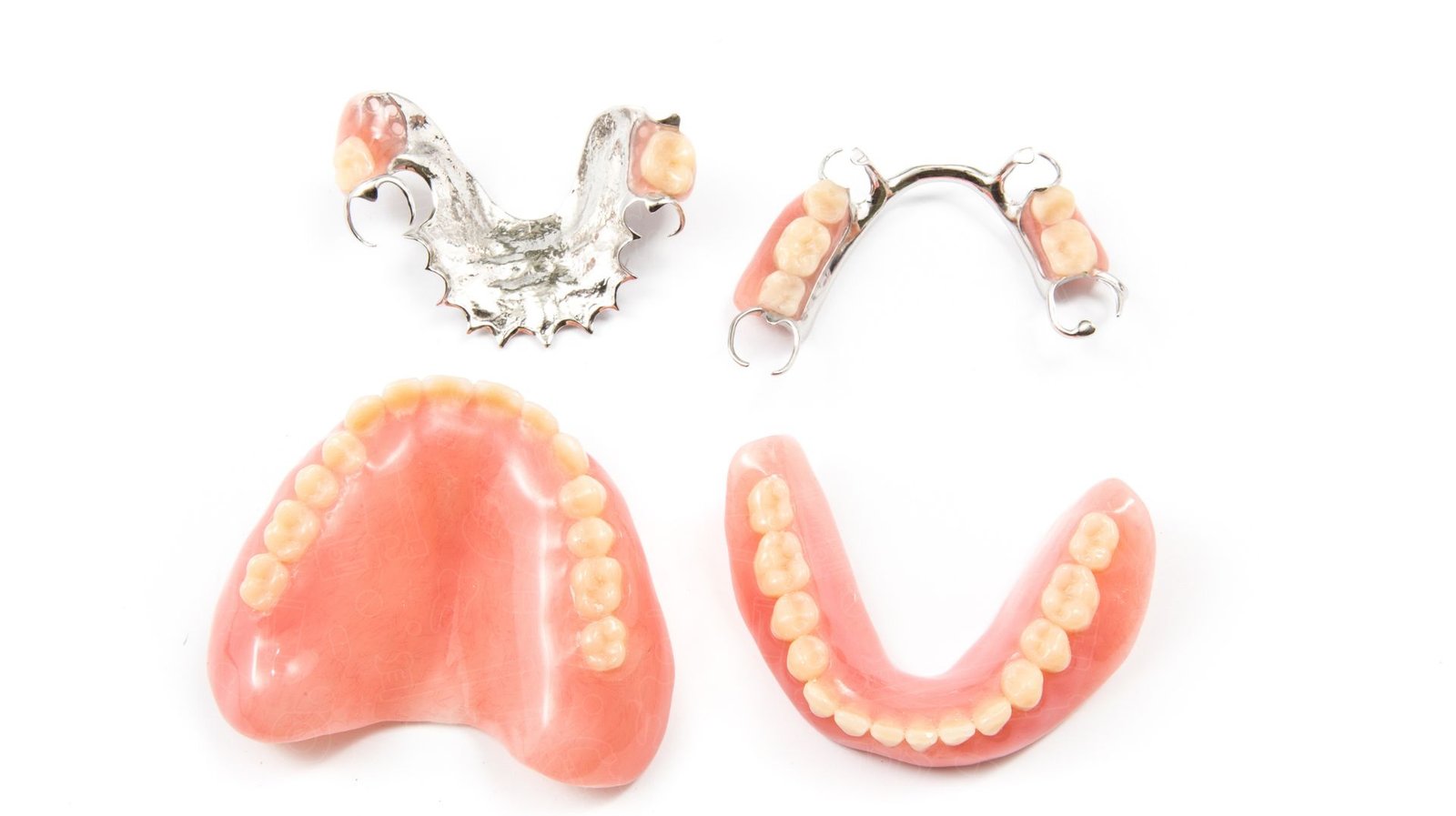
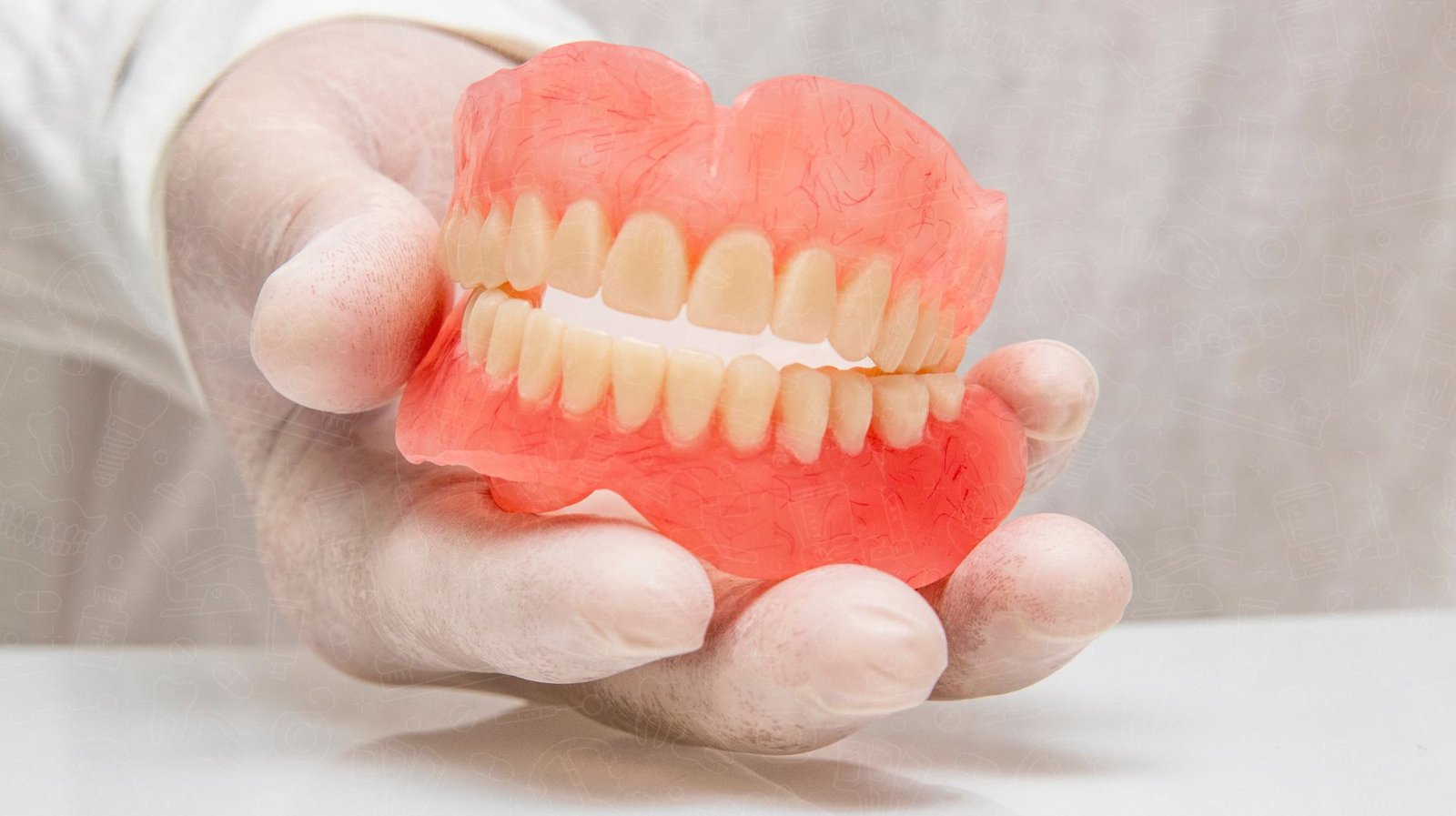
When addressing tooth loss, patients often encounter two common solutions: dental bridges and partial dentures. Both options serve the purpose of replacing missing teeth, but they differ significantly in design, functionality, and approach. A dental bridge is a fixed prosthetic device, typically anchored to adjacent natural teeth or implants, creating a seamless appearance and restoring bite function. In contrast, partial dentures are removable appliances that replace one or more missing teeth while being supported by the remaining natural teeth and surrounding gum tissue.
The choice between a dental bridge and a partial denture often depends on various factors such as the number of missing teeth, the health of adjacent teeth, and patient preference regarding permanence. Fixed bridges can provide enhanced stability and comfort, while partial dentures offer flexibility and are easier to adjust. Understanding these fundamental differences is crucial for patients seeking effective solutions to restore their smiles and overall oral health. Additionally, factors like cost and maintenance may further influence the decision between these two options. A thorough consultation with a dental professional can guide patients in making an informed choice that aligns with their unique dental needs and lifestyle.
How Fixed Bridges and Removable Partial Dentures Are Prepared
In the realm of restorative dentistry, the preparation of fixed bridges and removable partial dentures involves distinct processes tailored to their unique functions and designs. A dental bridge typically requires the alteration of adjacent teeth to serve as anchors or abutments. During this initial phase, the dentist will reshape the neighboring teeth, often using local anesthesia for comfort. Molds or impressions are then taken to create a custom bridge that fits snugly over the abutments, ensuring both functionality and aesthetic appeal.
Conversely, the preparation of removable partial dentures begins with a detailed examination of the patient’s mouth, focusing on the placement of remaining natural teeth. Dentists will take impressions to craft a denture that is not only comfortable but also maintains the integrity of the oral arch. This removable appliance may involve metal and acrylic components, designed to secure the denture in place while allowing for easy removal during cleaning.
Both procedures necessitate follow-up appointments to ensure proper fit and function. While fixed bridges provide a permanent solution, partial dentures offer versatility, catering to varying dental needs. Understanding these preparation processes is essential for individuals considering their options, as each method directly impacts the overall treatment experience and long-term satisfaction with the chosen dental restoration.
Maintenance and Cleaning: Dental Bridge vs Partial Denture
Maintaining optimal oral hygiene is crucial for both dental bridges and partial dentures, but the cleaning routines differ considerably. Dental bridges, which are fixed appliances, require specific maintenance to ensure that the supporting teeth remain healthy. Regular brushing and flossing are essential, with special attention needed for the areas surrounding the bridge. Patients are often advised to use interdental brushes or floss threaders to effectively clean underneath the bridge, preventing plaque buildup and decay.
On the other hand, removable partial dentures necessitate a distinct cleaning approach. These appliances should be taken out daily for thorough cleaning. Patients typically use a soft-bristle toothbrush and a mild cleanser specifically designed for dentures. The removable nature of partial dentures allows for a more accessible cleaning process; however, it also requires careful handling to avoid damage. Additionally, soaking the dentures in a denture cleaning solution overnight can contribute to maintaining their condition and hygiene.
Ultimately, understanding the specific maintenance needs of both dental bridges and partial dentures can guide patients in making informed decisions about their oral care. Regular dental check-ups are also recommended to ensure that both types of restorations remain in good condition, enhancing their functionality and longevity.
Suitability: Choosing Between a Dental Bridge and a Partial Denture
When considering tooth replacement options, understanding the suitability of a dental bridge versus a partial denture is essential for making an informed decision. A dental bridge is typically recommended for patients who have one or more adjacent teeth that can support the fixed structure. It is ideal in scenarios where maintaining the integrity of the surrounding teeth is crucial, as the bridge relies on these neighboring teeth for support.
Conversely, a partial denture might be more appropriate for individuals with multiple missing teeth not necessarily adjacent to each other. This option provides versatility, as it can fill gaps created by missing teeth while allowing for easy removal. Patients with limited bone density or those who are not suitable candidates for dental implants often find partial dentures to be a viable solution.
Additionally, dental bridges are often favored for their aesthetic appeal and permanence, making them suitable for those seeking a long-term solution. However, it is essential to consider personal preferences, lifestyle, and overall dental health when making this choice. Ultimately, a dental professional can provide personalized recommendations based on individual circumstances, ensuring that the selected option aligns with the patient’s specific needs and dental conditions.
Longevity and Durability of Dental Bridges and Partial Dentures
Both dental bridges and partial dentures serve essential roles in restorative dentistry, but they differ significantly in terms of longevity and durability. Dental bridges are typically designed as a permanent solution for tooth loss and, when properly cared for, can last anywhere from 10 to 15 years or even longer. Their durability is largely due to the materials used, such as porcelain fused to metal, which provides a robust and aesthetically pleasing result.
In contrast, partial dentures are removable appliances that can last between 5 to 10 years, depending on the materials, care, and individual wear and tear. While they offer a flexible solution for missing teeth, their longevity may be impacted by factors such as the cleaning methods employed and changes in the oral cavity, which may necessitate adjustments or replacement over time.
Understanding these differences is crucial for patients considering their options. While dental bridges provide a more permanent restoration, they require healthy adjacent teeth for support. Partial dentures, while not as durable, offer versatility and are suitable for various situations. Patients should consult with their dental professionals to evaluate their specific needs, as the choice between these restorations can significantly impact both oral health and quality of life over time.
Patient Considerations in Opting for Dental Bridge or Partial Denture
When deciding between a dental bridge and a partial denture, patients must consider various factors that can significantly impact their overall experience and satisfaction. One of the primary considerations is lifestyle; individuals with active routines may prefer dental bridges since they are fixed and offer improved stability, reducing the concern of removal during physical activities. Alternatively, those valuing flexibility might lean toward partial dentures, which can be taken out for easier maintenance.
Comfort is another crucial aspect. Dental bridges typically require alterations to adjacent teeth, which may cause discomfort for some patients, while partial dentures might feel bulky initially as the mouth adjusts to the foreign appliance. Patients must think about how each option could influence their daily activities, from eating to speaking.
Cost also plays a vital role in the decision-making process. Generally, dental bridges tend to have a higher initial cost due to the materials used and the specialized procedures involved. Partial dentures, while often more affordable upfront, may incur additional costs for ongoing maintenance and eventual replacements.
Ultimately, it is essential for patients to consult with their dental care providers to discuss personalized factors such as comfort level, lifestyle, and financial implications of both options. This holistic approach can help ensure a well-informed decision that aligns with their dental health goals.
Conclusion
In conclusion, the choice between a dental bridge and a partial denture is a significant decision for individuals dealing with tooth loss. Each option offers distinct advantages tailored to varying needs, preferences, and dental health scenarios. Dental bridges are often favored for their stability, aesthetic appeal, and long-term durability, making them suitable for patients with healthy adjacent teeth wanting a fixed solution. Conversely, partial dentures offer valuable versatility for those with multiple non-adjacent missing teeth and an active lifestyle, prioritizing flexibility and ease of maintenance.
Both restorative solutions require specific care and attention to ensure longevity and optimal function. Understanding the preparation processes, maintenance requirements, and considerations for lifestyle can empower patients to make informed decisions tailored to their unique circumstances. Regular consultations with dental professionals can provide personalized guidance and address any concerns, ensuring that each patient finds the most appropriate solution for their oral health needs.
Ultimately, whether opting for a dental bridge or a partial denture, the primary goal remains the same: to restore function, confidence, and an attractive smile. Making the right choice can significantly enhance an individual’s quality of life, setting a foundation for better oral health and improved overall well-being.