Skip to content

Introduction
The decision to wear dentures—whether full or partial—marks an important juncture in one’s oral health journey. This guide aims to elucidate the key differences between full and partial dentures, helping individuals navigate their options for tooth replacement. Full dentures are designed for those who have lost an entire arch of teeth, offering a complete restoration of function and aesthetics. Conversely, partial dentures serve as a solution for individuals who still retain some natural teeth but require support for gaps left by missing ones.
Understanding the contrasting features and functionalities of these dental prosthetics is essential for patients seeking effective solutions tailored to their unique situations. Factors such as support structures, retention methods, materials used, cleaning and maintenance requirements, and comprehensive treatment planning considerations also play a crucial role in this decision-making process.
This article delves into each of these aspects, empowering readers with the knowledge necessary to make informed choices about their denture options. By exploring these topics, prospective denture wearers can better appreciate the benefits and limitations of both full and partial dentures. Ultimately, this understanding sets the foundation for improved oral health outcomes, enhanced comfort, and a renewed sense of confidence in their smiles.
Understanding Full vs Partial Dentures
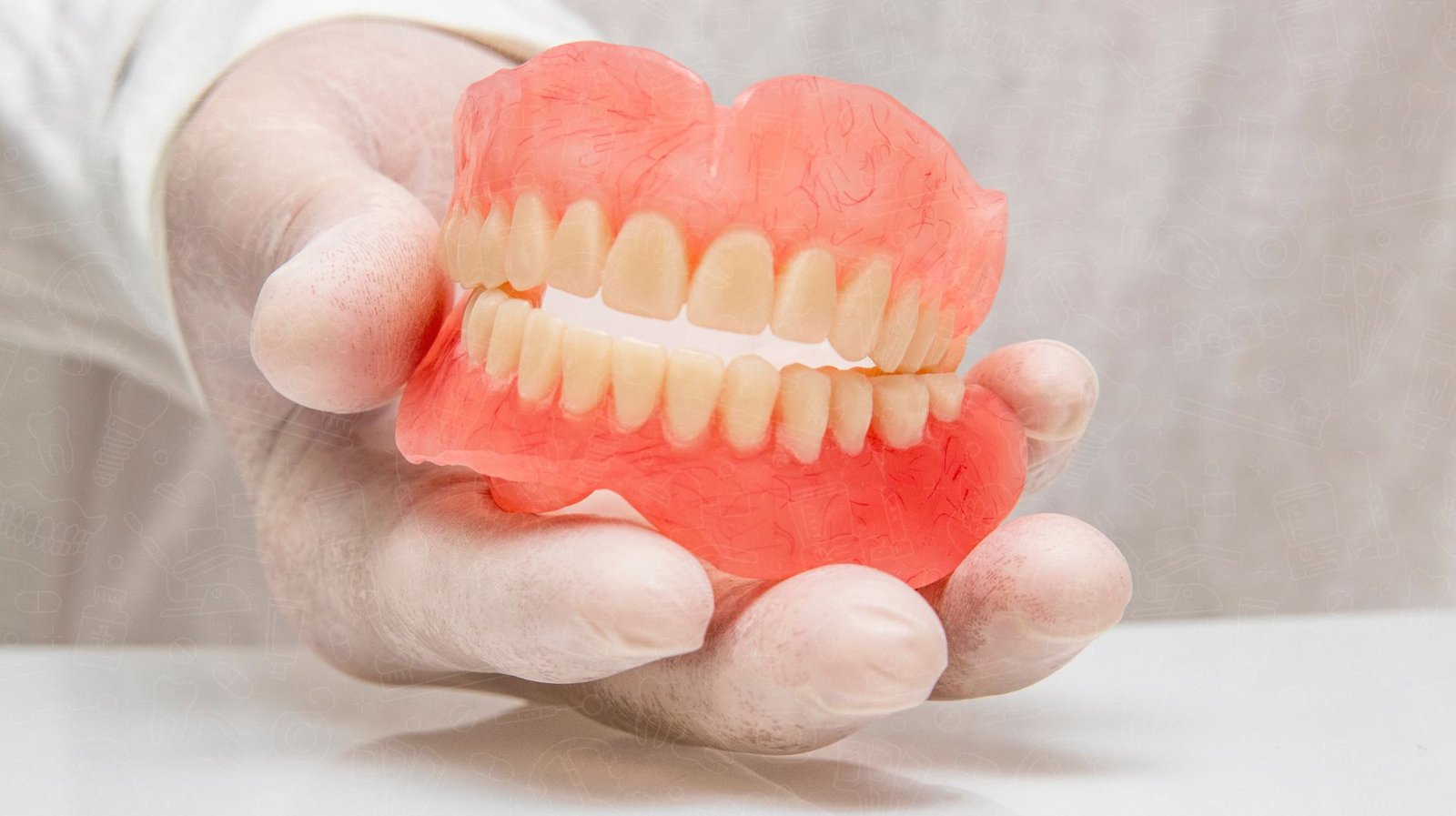
Full dentures and partial dentures serve vital roles in oral health, each designed to address different patient needs. Full dentures, also known as complete dentures, are used when an individual has lost all of their natural teeth in either the upper or lower jaw. These prosthetic devices are customized to fit snugly over the gums, providing an aesthetic restoration of one’s smile and functionality for eating and speaking.
On the other hand, partial dentures are intended for individuals who still possess some natural teeth. These prosthetics fill gaps left by lost teeth and are anchored to remaining natural teeth through clasps for stability and support. The significant difference in design highlights varying functionalities; while full dentures completely replace natural teeth, partial dentures work alongside existing teeth.
Understanding the distinct structures of full and partial dentures provides insights into patient options when restoring their dentition. Both types of dentures require careful consideration regarding fit, comfort, and functionality. By examining these differences, prospective denture wearers can make informed decisions about their oral health, ensuring better outcomes for their dental needs. Furthermore, this knowledge serves as a foundation for discussing other aspects such as retention, cleaning, and maintenance, which are crucial for longevity and effectiveness in daily use.
Support Structures for Dentures
Full and partial dentures utilize distinct support structures that play a crucial role in their functionality and effectiveness. Full dentures are designed to replace all the teeth in either the upper or lower jaw, relying on the soft and hard tissues of the oral cavity for stability. The base of full dentures is typically made from acrylic resin, molded to fit securely against the gums, allowing for a stable yet removable dental solution. The suction created between the denture and the underlying gum tissue is essential for retention, aided by adhesive products when necessary.
In contrast, partial dentures are constructed to fill gaps left by missing teeth, attaching to existing natural teeth for support. These dentures often incorporate metal clasps or precision attachments, which anchor them securely in place. The design of a partial denture must consider the distribution of force during chewing to avoid overloading any single tooth, ensuring longevity and comfort.
Both types of dentures require regular adjustments and may need periodic replacements as jawbone density changes over time. By understanding the differences in support mechanisms, individuals can make informed decisions regarding their dental needs, ensuring they choose the most appropriate solution for their oral health and lifestyle. These critical distinctions emphasize the importance of individualized treatment planning in achieving optimal denture performance.
Retention and Stability: Full vs Partial Dentures
Full dentures and partial dentures utilize different methods of retention and stability, which significantly affect their function and user experience. Full dentures, designed to replace an entire arch of missing teeth, rely primarily on the oral soft tissues and underlying bone for stability. The suction created by a well-fitting base helps maintain the denture’s position, allowing for secure functionality during eating and speaking.
In contrast, partial dentures are typically supported by natural teeth alongside gum tissues. They utilize clasps or precision attachments that anchor securely to remaining teeth, offering enhanced stability. This design not only improves retention but also distributes chewing forces more evenly across the dental structure, thereby reducing strain on individual teeth.
The impact of these retention methods extends beyond comfort; it can influence a patient’s confidence and willingness to engage socially. While full dentures may require users to be more mindful of certain foods to avoid dislodgment, partial dentures often allow for more natural functionality, providing a more discreet solution.
Understanding these differences in retention and stability is crucial for individuals considering their options for tooth replacement. Proper consultation with a dental professional can help determine the most suitable type of denture based on personal needs and lifestyle. Making an informed decision leads to better long-term satisfaction and overall oral health.
Materials Used in Full and Partial Dentures
When considering full and partial dentures, the materials used in their construction play a crucial role in their effectiveness and comfort. Full dentures are primarily crafted from acrylic resin, a lightweight yet durable material that closely mimics the natural appearance of gums and teeth. This resin is advantageous due to its customizable color, allowing for a more natural look. Additionally, base metals may be used in some full denture designs to provide enhanced strength and reduce bulk, improving wearability.
On the other hand, partial dentures often utilize a combination of acrylic and metal frames, such as chromium-cobalt alloys. These metals offer significant durability and support, allowing the partial denture to be more securely anchored to existing natural teeth. The integration of flexible materials, such as nylon, in some modern designs enhances comfort and adaptability, making them less likely to cause irritation.
Both types of dentures have their limitations; acrylic dentures may be prone to wear and staining over time, while metal frameworks can be more rigid and less forgiving. Understanding these materials helps patients and dental professionals make informed choices tailored to individual needs, taking into consideration factors such as aesthetics, durability, and comfort when selecting the appropriate type of denture.
Cleaning and Maintenance Needs
Full and partial dentures require careful upkeep to ensure longevity and oral health. Proper cleaning techniques differ significantly between the two types of dentures, reflecting their unique structures and support systems.
For full dentures, which replace an entire arch of teeth, daily cleaning is essential. Users are advised to rinse their dentures under running water to remove food particles, followed by a gentle scrub with a denture brush and a non-abrasive cleaner. This routine helps maintain elasticity and prevents stains, ensuring that the dentures fit comfortably. Soaking full dentures overnight in a denture solution can also help to disinfect and retain moisture.
Partial dentures, on the other hand, necessitate a somewhat different maintenance approach due to the presence of natural teeth. Regular brushing is still crucial, but users must also take extra care around the clasps that attach to the remaining teeth. This includes regular flossing to prevent plaque buildup in these areas, which can lead to gum disease. Additionally, partial dentures should be removed at night to reduce the risk of any potential damage and allow for thorough cleaning.
By adhering to these specific cleaning and maintenance protocols, wearers of both full and partial dentures can enhance their durability and efficiency, ultimately contributing to better oral health and comfort.
Treatment Planning Considerations
When considering the transition to dentures, whether full or partial, treatment planning is essential to ensure optimal dental health and comfort. Several key factors influence this decision. Initially, the extent of tooth loss plays a significant role; full dentures are typically recommended for patients who have lost all their natural teeth, while partial dentures serve those who retain some remaining teeth.
Another critical consideration involves the patient’s overall oral health. Existing conditions, such as gum disease or bone density, can affect the success and fit of dentures. A comprehensive dental evaluation should assess these conditions, as well as the current dentition’s health, to devise an effective treatment plan.
The patient’s lifestyle and aesthetic preferences are also vital in this decision-making process. Full dentures may provide a more straightforward solution, but some individuals prefer the flexibility that partial dentures offer, allowing them to retain remaining natural teeth for added stability and aesthetics.
Dental professionals will also evaluate the patient’s financial considerations, as costs may vary between full and partial denture solutions. This comprehensive planning phase ensures that individuals receive a tailored approach that addresses their unique needs, resulting in improved function and satisfaction with their dentures. Ultimately, a collaborative discussion between the patient and dental team can lead to informed choices that greatly enhance quality of life.
Conclusion
In conclusion, understanding the differences between full and partial dentures is paramount for individuals seeking effective solutions for tooth replacement. Full dentures provide a complete restoration for those who have lost an entire arch of teeth, while partial dentures offer a solution for those who want to preserve their remaining natural teeth. The key distinctions in support structures, retention methods, materials, cleaning protocols, and treatment planning considerations are crucial for making an informed choice tailored to individual needs.
The knowledge gained from this article empowers prospective denture wearers to evaluate their options critically and engage in discussions with dental professionals regarding the best course of action for their oral health. Properly understanding the benefits and potential limitations of each type of denture ensures patients are equipped to make confident decisions that enhance both functionality and comfort.
By prioritizing personalized treatment planning and adhering to maintenance routines, individuals can optimize their denture experience, thereby improving their overall quality of life. Whether opting for full or partial dentures, embracing the journey of tooth replacement marks a significant step toward renewed confidence and better oral health. The choice ultimately leads to restored smiles and improved daily interactions, enhancing both the aesthetic and functional aspects of one’s life.