Introduction
In the realm of dental health, understanding the importance of procedures like root canals is essential for maintaining a healthy smile. A root canal is a crucial treatment method focused on salvaging teeth that have succumbed to infection or injury deep within their pulp. This procedure not only alleviates debilitating pain but also restores a tooth's functionality, enabling individuals to chew and enjoy their food without discomfort. As the foundation of long-term oral health, recognizing the signs that indicate the need for a root canal is vital.
Patients often experience common symptoms, such as persistent toothaches, sensitivity to hot and cold, and swelling of the gums, signaling potential issues within the tooth's nerve. Timely identification and intervention can avert progressions to tooth extraction and other serious complications. By delving into the various symptoms and explanations surrounding root canal therapy, this article seeks to empower readers with the knowledge needed to prioritize their dental health.
Understanding what a root canal entails and when it becomes necessary is not just about pain management; it is about preserving natural teeth for a lifetime. Armed with this insight, individuals can make informed decisions regarding their dental care, ensuring that they seek the necessary treatment at the right time and ultimately improve their overall quality of life.
What Is a Root Canal and Why It's Needed
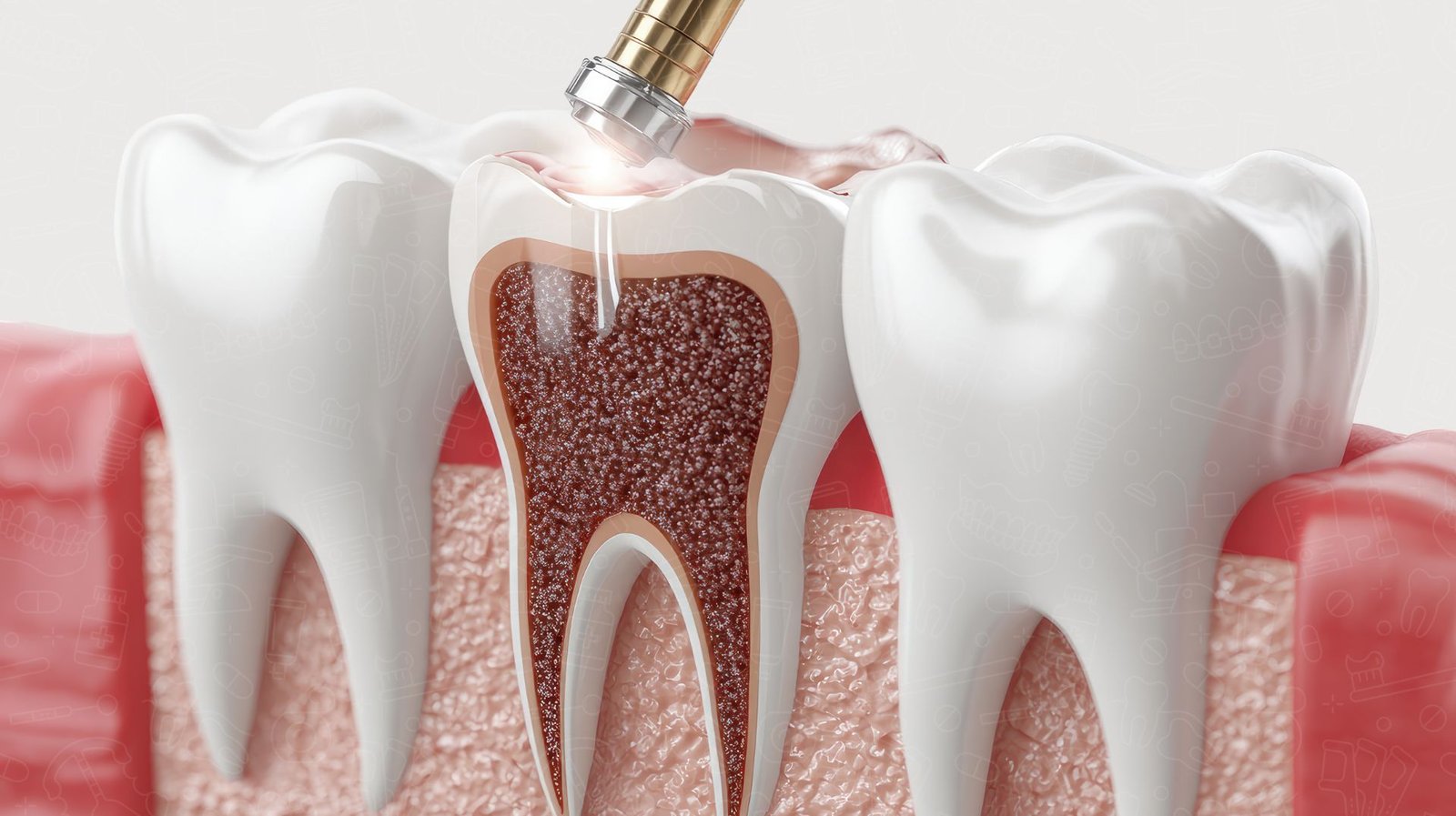
A root canal is a dental procedure designed to remove infected or damaged tissue from within the pulp of a tooth. This treatment is essential for saving teeth that have experienced decay or trauma, preventing further complications and preserving overall oral health. During the procedure, the dentist cleans the pulp chamber and root canals, followed by sealing the space to prevent reinfection.
Common dental issues that necessitate a root canal include deep cavities, cracked teeth, or severe gum disease. When the dental pulp, which houses nerves and blood vessels, becomes infected, it can lead to intense pain, swelling, and abscess formation. If left untreated, this infection can spread to surrounding tissues and lead to more significant health problems.
A root canal not only alleviates pain but also restores functionality to the affected tooth, thereby enhancing the patient’s ability to chew and maintain proper dental alignment. By addressing these dental concerns promptly, patients can avoid tooth extraction and enjoy better long-term oral health. Understanding the purpose of a root canal highlights its importance in modern dentistry, offering patients a viable solution for preserving their natural teeth and preventing the escalation of dental issues.
Common Symptoms of Needing a Root Canal
Understanding the common symptoms of needing a root canal is vital for timely dental intervention. One of the most prominent signs is persistent tooth pain, often described as sharp, throbbing, or ongoing discomfort that doesn’t seem to subside. This pain may signal an infection or damage to the pulp, indicating the potential necessity for endodontic treatment.
Another key symptom is sensitivity to hot and cold stimuli. Individuals may notice that certain foods and beverages trigger intense reactions that linger long after consumption. This heightened sensitivity can point towards nerve damage or inflammation within the tooth’s pulp.
Swelling and tenderness in the gums are additional indicators that a root canal may be needed. Inflamed gum tissue can be a sign of infection surrounding the tooth's root, warranting immediate dental care. In some cases, patients might observe a darkening of the affected tooth, which can suggest a significant issue with the tooth’s nerve health.
These warning signs should not be ignored. Recognizing these symptoms enables individuals to seek professional evaluation, possibly preventing complications that may arise from untreated dental issues. Awareness of these common indicators ensures that dental health is prioritized, promoting timely treatment and potentially saving the tooth from extraction.
Tooth Pain That Doesn’t Go Away
Ongoing or severe tooth pain is frequently one of the most prominent indications that an individual may require a root canal. Unlike typical discomfort from minor issues, this persistent pain often signals deeper dental problems, particularly when it arises from within the tooth. This type of pain can be dull, throbbing, or sharp, and may worsen over time or with certain activities, such as chewing or biting down. The underlying cause of this pain is often nerve damage or infection within the tooth pulp, which can happen due to untreated cavities, trauma, or previous dental work.
Patients experiencing relentless tooth pain should pay attention to the nature and frequency of the discomfort. If the pain persists for several days or escalates in intensity, it is essential to consult a dental professional for an accurate diagnosis. Additionally, seeking immediate dental care is critical if the pain is accompanied by symptoms like swelling or fever, as these may indicate a more severe infection. Implementing prompt treatment can mitigate further complications, ensuring the health of the tooth and surrounding structures. In summary, tooth pain that doesn’t resolve itself can serve as a crucial warning sign of a dental issue requiring a root canal, and should not be ignored.
Sensitivity to Hot and Cold Temperatures
Sensitivity to hot and cold temperatures can serve as a critical indicator of an underlying dental issue, particularly when it indicates nerve damage within a tooth. Individuals experiencing discomfort or pain when consuming hot beverages or cold foods may be signaling a need for a root canal treatment. This type of sensitivity often arises when the dental pulp, which houses nerves and blood vessels, becomes inflamed or infected.
When the protective barrier of the tooth is compromised due to decay or trauma, the nerves become more susceptible to stimuli. A patient might notice sharp pain that lingers for an extended period after exposure to temperature changes, indicating a more serious problem. It is essential to recognize that while some sensitivity can be common after a dental procedure, persistent sensitivity often points to a more significant issue that requires professional evaluation.
Ignoring these symptoms can lead to further complications, such as the risk of abscess formation or the need for more invasive treatments. Therefore, anyone experiencing heightened sensitivity to temperature should seek a dental professional's advice. Early diagnosis and treatment can alleviate discomfort and restore dental health, making it a crucial step in maintaining optimal oral hygiene.
Swollen Gums and Darkening of the Tooth
Swelling of the gums and noticeable darkening of a tooth are critical indicators of an underlying dental issue, often associated with the need for a root canal procedure. When the pulp of a tooth becomes infected, the body's inflammatory response can lead to gingival edema, causing the gums to appear swollen and tender. This inflammation typically signals that bacteria have infiltrated the tooth, requiring professional dental intervention to prevent further complications.
Moreover, tooth discoloration can occur as a result of nerve damage or infection. A darkening tooth, especially when accompanied by discomfort or sensitivity, warrants immediate attention from a dental professional. This change in color occurs due to the breakdown of blood vessels within the tooth or as a response to a necrotic pulp, which can be a precursor to more serious symptoms.
Recognizing these physical changes is essential in dental care. Patients experiencing swollen gums or darkened teeth should consult with a dentist as these signs are often indicative of advanced decay or infection, necessitating a root canal to preserve the tooth and restore oral health. Timely intervention not only alleviates discomfort but also helps avert extraction and potential further dental issues. Understanding these symptoms is crucial for maintaining oral health and ensuring timely and effective treatment when needed.
When to See a Dentist for Root Canal Symptoms
Recognizing when to seek dental evaluation for root canal symptoms is crucial for effective treatment. If an individual experiences persistent tooth pain, it is advisable to consult a dental professional promptly. The presence of sharp, throbbing, or continuous discomfort may indicate that the tooth's pulp is inflamed or infected, which often necessitates intervention.
In addition to pain, if there is prolonged sensitivity to hot or cold substances, it may be time to schedule a dental appointment. This sensitivity often suggests that the nerve within the tooth is compromised, necessitating a root canal procedure to prevent further complications.
Swelling of the gums or noticeable discoloration of the tooth are also significant red flags. These symptoms often suggest an underlying infection that could lead to more severe dental issues if left untreated.
Furthermore, those experiencing a bitter taste in their mouth or swelling in the jaw should prioritize scheduling an appointment. These signs typically indicate a more advanced condition that requires immediate attention to prevent the infection from spreading.
By being proactive and seeking dental care when observing these symptoms, individuals can minimize discomfort and preserve their natural teeth. Early intervention not only alleviates pain but also improves long-term oral health outcomes. Therefore, staying vigilant about dental health is essential for timely root canal treatment.
Conclusion
In conclusion, recognizing the signs that indicate the need for a root canal is essential for maintaining optimal dental health. Persistent tooth pain, sensitivity to temperature, swollen gums, and tooth discoloration are all critical symptoms that should prompt individuals to consult a dental professional. By being vigilant about these warning signs, patients can seek timely intervention to prevent further complications, including the risk of tooth extraction.
Root canal therapy not only alleviates severe pain but also plays a crucial role in preserving the affected tooth and ensuring its functionality for years to come. Understanding the intricacies of this treatment empowers individuals to make informed decisions regarding their oral care, enhancing their overall quality of life.
This article serves as a valuable resource for those looking to prioritize their dental health. By emphasizing the importance of recognizing the symptoms that necessitate a root canal, patients can embark on proactive steps to maintain their natural teeth and prevent the escalation of dental issues. Ultimately, prioritizing timely dental evaluations and procedures cultivates a strong foundation for enduring oral health and a radiant smile.