Introduction
Understanding the intricate relationship between sugar and tooth decay is vital for maintaining optimal oral health. Sugar, a common ingredient in many diets, significantly contributes to the deterioration of dental health when consumed in excess. This article delves into the mechanisms through which sugar interacts with oral bacteria, leading to enamel erosion and the formation of cavities. By exploring types of sugars, their effects on dental health, and preventive strategies against decay, readers can gain a comprehensive understanding of how dietary choices impact oral wellbeing.
Research consistently highlights the role of sugars in fostering an environment conducive to tooth decay, with bacteria thriving on these sweet substances and producing harmful acids as byproducts. Individuals unaware of the sugar content in their favorite foods and drinks often overlook the potential risks associated with their consumption. This article aims to raise awareness and educate readers on identifying high-sugar items, while providing actionable steps to reduce intake and enhance oral hygiene practices.
Through a thorough examination of the connection between sugar and dental issues, as well as insights on preventative care, individuals can take informed action to safeguard their teeth. Emphasizing the importance of regular dental checkups and proper oral hygiene, the guidance provided will empower readers to maintain healthier smiles while minimizing the impact of sugar on their dental health over time.
Understanding the Link Between Sugar and Tooth Decay
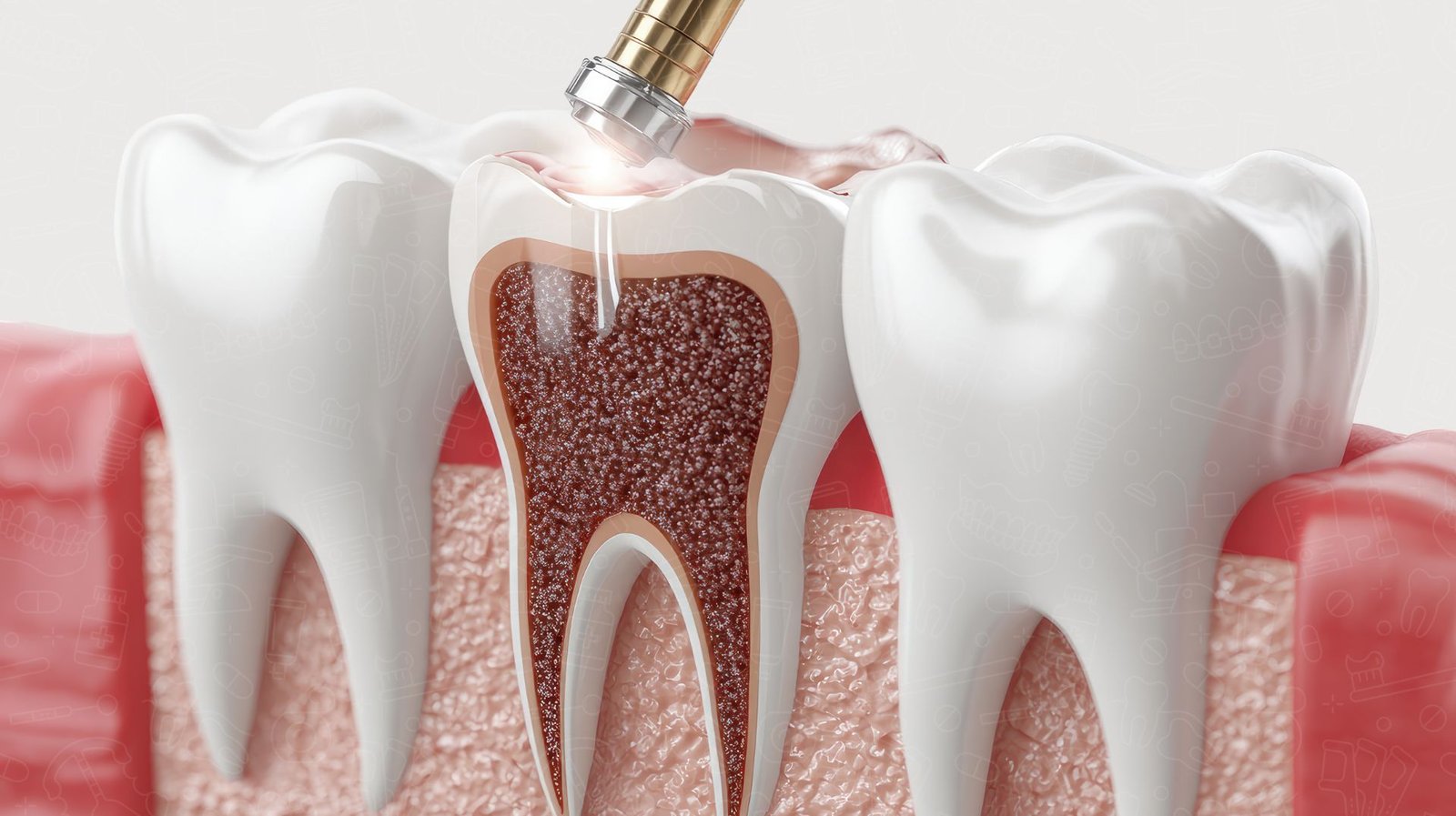
Sugar plays a significant role in the development of tooth decay, primarily through its interaction with oral bacteria. When sugar is consumed, it begins to break down in the mouth, leading to the production of acids as byproducts. These acids are harmful to tooth enamel, the hard protective surface of teeth, and contribute to its erosion over time.
The bacteria naturally present in the mouth thrive on sugars, converting them into energy while simultaneously generating harmful acids. This process tends to lead to demineralization, ultimately resulting in cavities. Furthermore, it is important to note that not all sugars have the same impact on dental health. Some sugars are more readily fermentable by bacteria, which can exacerbate decay risk.
Research indicates that frequent consumption of sugary foods and beverages significantly heightens the likelihood of developing dental issues. Understanding this relationship is crucial for maintaining good oral health. Reducing sugar intake is a key strategy in preventing tooth decay, underscoring the importance of dietary choices and their effect on oral bacteria. By grasping the connection between sugar and dental problems, individuals can take proactive steps to protect their teeth, encouraging stronger enamel and overall better dental health.
Types of Sugars That Affect Dental Health
The impact of sugar on dental health varies depending on the type of sugars consumed. Sugars can be broadly categorized into two groups: natural sugars and added sugars. Natural sugars are inherent in whole foods, such as fruits and dairy products, and are typically accompanied by essential nutrients that can benefit overall health. Although they are less harmful, excessive consumption of natural sugars can still contribute to tooth decay if oral hygiene is neglected.
On the other hand, added sugars are those incorporated into processed foods and drinks, often without any nutritional value. Common sources include sodas, candies, desserts, and even some sauces. These added sugars are particularly concerning due to their high availability and low nutritional content, leading to a greater risk of cavities. The bacteria in the mouth metabolize these sugars, producing acids that erode tooth enamel and promote decay.
Furthermore, the frequency of sugar consumption plays a significant role in dental health. Snacking on sugary foods or beverages throughout the day can lead to a continuous acid attack on teeth, increasing the risk of dental problems. Understanding the distinction between these types of sugars and their effects on oral health is essential for making informed dietary choices that protect against tooth decay and promote long-term dental health.
How Sugar Affects Tooth Enamel Over Time
Frequent exposure to sugar significantly impacts tooth enamel, the hard, protective outer layer of teeth. When a person consumes sugary foods or drinks, oral bacteria metabolize these sugars, leading to the production of acid as a byproduct. This acid is harmful to tooth enamel, initiating a gradual process of erosion. Over time, the repeated acid attacks can diminish minerals in enamel, creating thin areas and rendering teeth more susceptible to further decay.
The cycle begins when sugar is consumed. Bacteria in dental plaque thrive on these sugars, and as they break them down, they release acids that can lower the pH in the mouth. A consistently acidic environment can lead to demineralization, a critical factor in the development of cavities. If this process continues unchecked, it can lead to significant enamel loss, ultimately affecting tooth sensitivity and integrity.
Moreover, types of sugar—whether natural or added—play a role in this erosion process. Foods high in sugar, particularly those that stick to the teeth, prolong acid exposure and further exacerbate enamel damage. To protect tooth enamel, it is essential to understand the mechanisms of sugar consumption and its long-term effects. Adopting healthy dietary habits and good oral hygiene practices is vital in mitigating the risks associated with sugar and preserving enamel for better dental health.
Common Foods and Drinks High in Sugar
It is essential to identify common foods and beverages high in sugar, as these items significantly increase the risk of tooth decay. Many processed snacks and desserts, such as cookies, cakes, and candies, are well-known culprits. In addition to these treats, sugary breakfast cereals and granola bars often contain high levels of added sugars, which can lead to long-term dental issues.
Soft drinks and energy drinks are also considerable contributors to sugar consumption. These beverages not only contain high amounts of sugar, but they also often include acids that can further erode tooth enamel. Fruit juices, while perceived as healthier options, can be similarly problematic due to their natural sugar content and lack of fiber, which can lead to a swift increase in oral bacteria.
It is also important to note that sugar substitutes, while lower in calories, can sometimes lead to candy-like cravings, resulting in increased sugar consumption overall. Understanding the sugar content in seemingly healthy foods, such as flavored yogurts and sauces, is crucial for maintaining optimal oral health.
By recognizing these common high-sugar foods and drinks, individuals can make more informed choices that support dental wellbeing. Implementing such knowledge into daily dietary habits can significantly contribute to reducing the risk of tooth decay and preserving overall dental health.
Preventive Strategies to Reduce Sugar-Related Tooth Decay
To effectively combat sugar-related tooth decay, adopting preventive strategies is essential. Limiting the intake of sugary foods and beverages is a fundamental approach. Individuals should prioritize a balanced diet rich in whole foods, such as fruits, vegetables, whole grains, and lean proteins, while minimizing processed snacks and sugary drinks. Substituting sugary treats with healthier alternatives, like nuts or yogurt, can support both nutritional needs and oral health.
Maintaining excellent oral hygiene is equally crucial. Regular brushing with fluoride toothpaste helps remove food particles and reduce plaque buildup. The American Dental Association recommends brushing at least twice a day and flossing once daily to ensure that all surfaces of the teeth are clean. Using an antibacterial mouthwash can further enhance oral cleanliness by reducing harmful bacteria that thrive on sugar.
Furthermore, drinking water, especially fluoridated water, supports saliva production, which naturally protects teeth against decay. Saliva helps neutralize acids and wash away food particles, mitigating the adverse effects of sugar.
Lastly, being mindful of when sugar is consumed can be beneficial. Opting to enjoy sweets as part of a meal rather than as standalone snacks can help reduce the frequency of acid attacks on tooth enamel. By combining dietary awareness with consistent oral hygiene practices, individuals can significantly lower their risk of sugar-related tooth decay, ensuring a healthier smile for years to come.
The Role of Regular Dental Checkups in Managing Tooth Decay
Regular dental checkups play a crucial role in maintaining oral health and managing the effects of sugar on teeth. Dental professionals are trained to identify early signs of tooth decay, which can often go unnoticed in their initial stages. During these routine visits, dentists perform comprehensive examinations that include checking for cavities and assessing the overall condition of tooth enamel, providing essential insights needed for effective prevention.
Additionally, dental hygienists offer valuable education on oral hygiene practices that are vital in combating the negative effects of sugar consumption. They may recommend strategies such as effective brushing techniques and the best types of dental products to use, which can help minimize the risks associated with sugary diets.
Regular appointments also allow for professional cleanings that remove plaque and tartar buildup, reducing the chance of cavities forming. Early detection of dental issues enables timely intervention, making it easier to restore oral health before more severe problems develop.
Furthermore, these visits serve as an opportunity for dental professionals to reinforce dietary recommendations and discuss the importance of limiting sugar intake to improve overall dental health. By advocating for a proactive approach to dental care, regular checkups empower individuals to take control of their oral health, ultimately leading to healthier teeth and a lower risk of decay associated with sugar consumption.
Conclusion
In conclusion, understanding the relationship between sugar consumption and tooth decay is critical for maintaining optimal dental health. The insights presented in this article illuminate how various types of sugars interact with oral bacteria to erode tooth enamel, leading to cavities and other dental issues. By recognizing the impact of both natural and added sugars, individuals can make informed dietary choices that enhance their overall oral wellbeing.
Implementing preventive strategies, such as limiting sugar intake, maintaining excellent oral hygiene, and scheduling regular dental checkups, is vital in mitigating the risks associated with excessive sugar consumption. Additionally, understanding which foods and drinks significantly contribute to sugar intake is essential for individuals seeking to improve their dental health.
The emphasis on proactive care, combined with the right nutritional choices, empowers individuals to actively protect their smiles. As sugar's impact on oral health becomes increasingly evident, prioritizing awareness and adopting healthy habits is paramount. By doing so, individuals can not only reduce their risk of tooth decay but also ensure a brighter, healthier future for their dental health. Engaging in these practices not only fosters a better understanding of dental care but ultimately leads to a lifetime of stronger, healthier teeth.