Introduction
In the realm of restorative dentistry, dental crowns and bridges play a pivotal role in enhancing both mouth function and aesthetic appeal. These vital treatments address issues caused by damaged or missing teeth, providing solutions that restore smiles while maintaining oral health. A crown serves as a protective covering, reinforcing a weakened tooth, while a bridge offers a way to fill gaps left by absent teeth, relying on neighboring teeth or implants for support.
Crafted from varied materials like porcelain, metal, and ceramic, these restorations cater to both durability and natural appearance, making them suitable for different dental needs. Patients seeking optimal solutions must appreciate the significance of these dental devices in preventing further complications, such as shifting teeth or jaw misalignment. Beyond their immediate benefit, understanding the long-term care, maintenance, and dietary considerations specific to crowns and bridges is crucial for sustaining their effectiveness over time.
As advancements in dental technology continue to emerge, so do the methods available to enhance the longevity and efficacy of these treatments. By delving into the detailed aspects of dental crowns and bridges, patients can make informed decisions while ensuring their smiles remain bright and healthy for years to come. The following sections will guide individuals through essential maintenance practices, daily care tips, and signs that may indicate the need for professional intervention, paving the way for lasting dental success.
Understanding Dental Crowns and Bridges
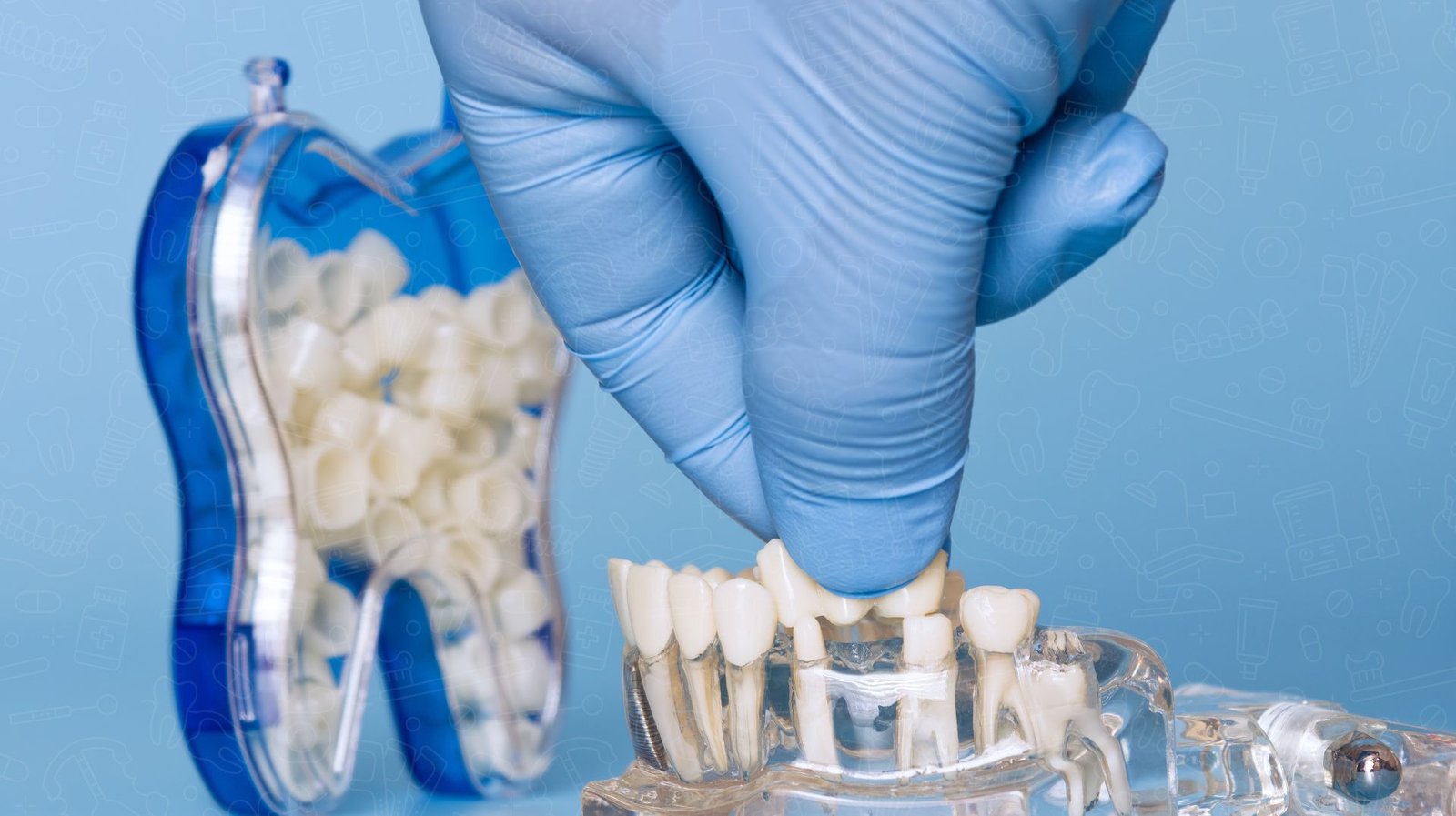
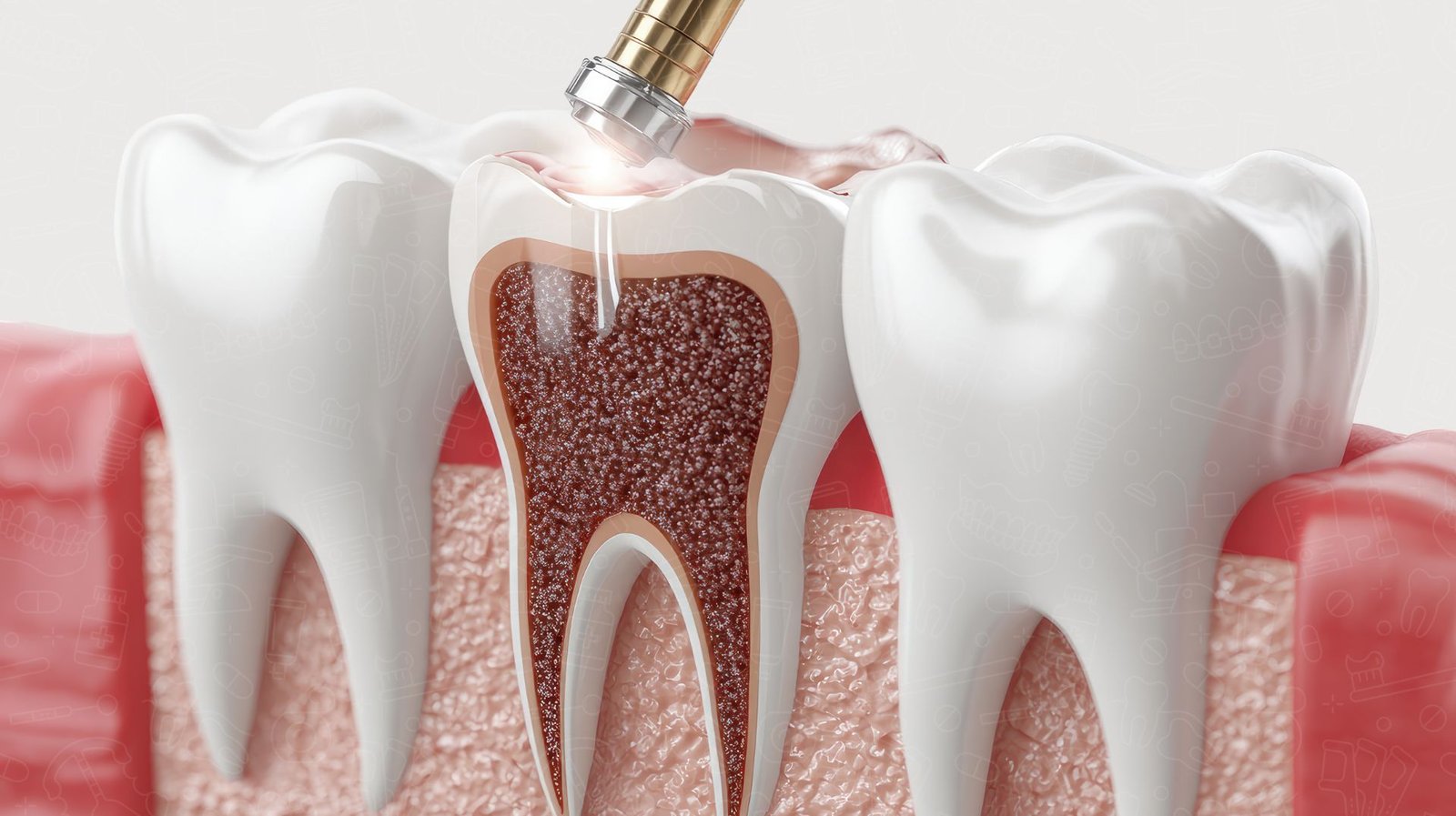
Dental crowns and bridges are common restorative dental solutions designed to enhance both the functionality and aesthetics of a patient’s smile. A dental crown serves as a protective cap placed over a damaged tooth, reinforcing its strength and improving its appearance. On the other hand, a dental bridge is a prosthetic device used to replace one or more missing teeth, anchoring itself to adjacent natural teeth or implants for stability.
These restorations are typically crafted from a variety of materials, including porcelain, ceramic, metal, or a combination of these. Porcelain and ceramic are favored for their natural look, making them ideal for front teeth, while metal or porcelain-fused-to-metal crowns and bridges offer enhanced durability and are often used in areas subject to greater chewing forces.
Dental crowns and bridges aim to restore the integrity of the tooth structure, allowing for better chewing function and improved overall oral health. They can also prevent adjacent teeth from shifting and help maintain the natural alignment of the jaw. Understanding how these dental solutions work and their material composition is essential for individuals considering such treatments and for those seeking to maintain existing restorations effectively. As dental technology continues to evolve, new advancements in materials and techniques further enhance the efficacy and longevity of crowns and bridges, reinforcing their significance in modern dentistry.
Importance of Proper Dental Crown and Bridge Maintenance
Maintaining dental crowns and bridges is essential for ensuring their longevity and functionality. These restorations are designed to restore the structure and aesthetics of damaged teeth. However, neglecting proper care can lead to complications that compromise both the health of the surrounding teeth and the durability of the restoration itself. Regular maintenance prevents plaque accumulation, which can lead to gum disease, decay, and ultimately the failure of the crown or bridge.
Proper care extends the life of these dental solutions, saving time and money on potential replacements. Routine brushing and flossing are vital, as they help to remove food particles and bacteria that can gather around dental restorations. Patients should also be aware of their dietary choices, as certain foods can cause wear or damage to crowns and bridges.
Moreover, regular dental checkups allow for early diagnosis of any issues that may arise, such as wear or loosening. Dentists can provide tailored advice on maintenance practices specific to individual restorations and overall oral health. By prioritizing regular maintenance, patients can enjoy the benefits of their crowns and bridges for many years. Understanding the importance of ongoing care will lead to better outcomes and enhance overall patient satisfaction with their dental work.
Daily Cleaning Tips for Dental Crowns and Bridges
To maintain the integrity and longevity of dental crowns and bridges, effective daily cleaning is essential. Brush teeth twice a day using a soft-bristled toothbrush and fluoride toothpaste. When brushing, individuals with crowns or bridges should pay special attention to the areas around these restorations to remove plaque and food particles. It is advisable to use a gentle, circular motion to avoid damaging the gums or the restoration itself.
In addition to brushing, flossing is a crucial component of daily oral hygiene. For patients with dental crowns and bridges, utilizing a floss threader or dental picks can facilitate effective cleaning between the teeth and around the prosthetic devices. Regular flossing helps to prevent gum disease and reduces the risk of cavities, which can affect the longevity of the restorations.
Patients may also consider using an antibacterial mouthwash to enhance cleaning and eliminate harmful bacteria from the oral cavity. Avoiding abrasive materials and harsh whitening agents is crucial since these can scratch the surface of crowns and bridges, compromising their appearance and effectiveness. By adhering to these daily cleaning tips, individuals can extend the life of their dental crowns and bridges while ensuring optimal oral health.
Foods to Avoid for Crown and Bridge Longevity
Maintaining dental crowns and bridges requires not only regular oral hygiene but also mindful eating habits. Certain foods can adversely affect the durability and integrity of these restorations. Hard candies and ice, for instance, pose a risk as chewing on them can lead to fractures or dislodgment of crowns and bridges. Likewise, sticky foods such as caramel and taffy can adhere to dental work, leading to decay if not removed promptly.
Highly acidic foods, including citrus fruits and vinegar, may erode the cement that secures the restoration. Additionally, individuals should be cautious with very hot or very cold foods that can cause thermal shock, potentially resulting in cracks or discomfort. Foods high in sugar can contribute to plaque buildup, which threatens the longevity of dental crowns and bridges by increasing the risk of gum disease and decay underneath the appliance.
Avoiding excessive consumption of these problematic foods can significantly enhance the lifespan of dental restorations. Moreover, engaging in good habits like using a mouthguard during sports activities can protect them from unexpected impacts. By being conscious of dietary choices, individuals with crowns and bridges can preserve their investments in dental health, ensuring both aesthetics and functionality are maintained for years to come.
Signs Your Crown or Bridge May Need Attention
When it comes to maintaining dental crowns and bridges, being aware of warning signs is essential for preventing further complications. Patients should monitor their restorations for several key indicators that may signal the need for professional evaluation. One of the most common signs is noticeable discomfort or pain around the crown or bridge, which may indicate underlying issues such as infection or damage.
Another significant symptom to watch for is visible changes in the appearance of the crown or bridge. If discoloration, cracks, or chips are present, these alterations could compromise the integrity of the restoration. Additionally, if there is any loosening or a change in fit, it is vital to seek dental advice, as this could lead to further complications, including displacement.
Furthermore, individuals should be alert to sensitivity in the affected area, especially when consuming hot or cold foods. This sensitivity can be indicative of underlying issues with the tooth structure or surrounding gums, requiring prompt dental attention. Lastly, the development of gum inflammation or bleeding around the crown or bridge can signal oral health concerns that require careful assessment.
Recognizing these signs early can help ensure that dental crowns and bridges remain functional and prevent more extensive treatments from being necessary in the future. Regular self-examinations and communication with a dental professional are crucial in maintaining optimal oral health.
Professional Checkups and Long-Term Care
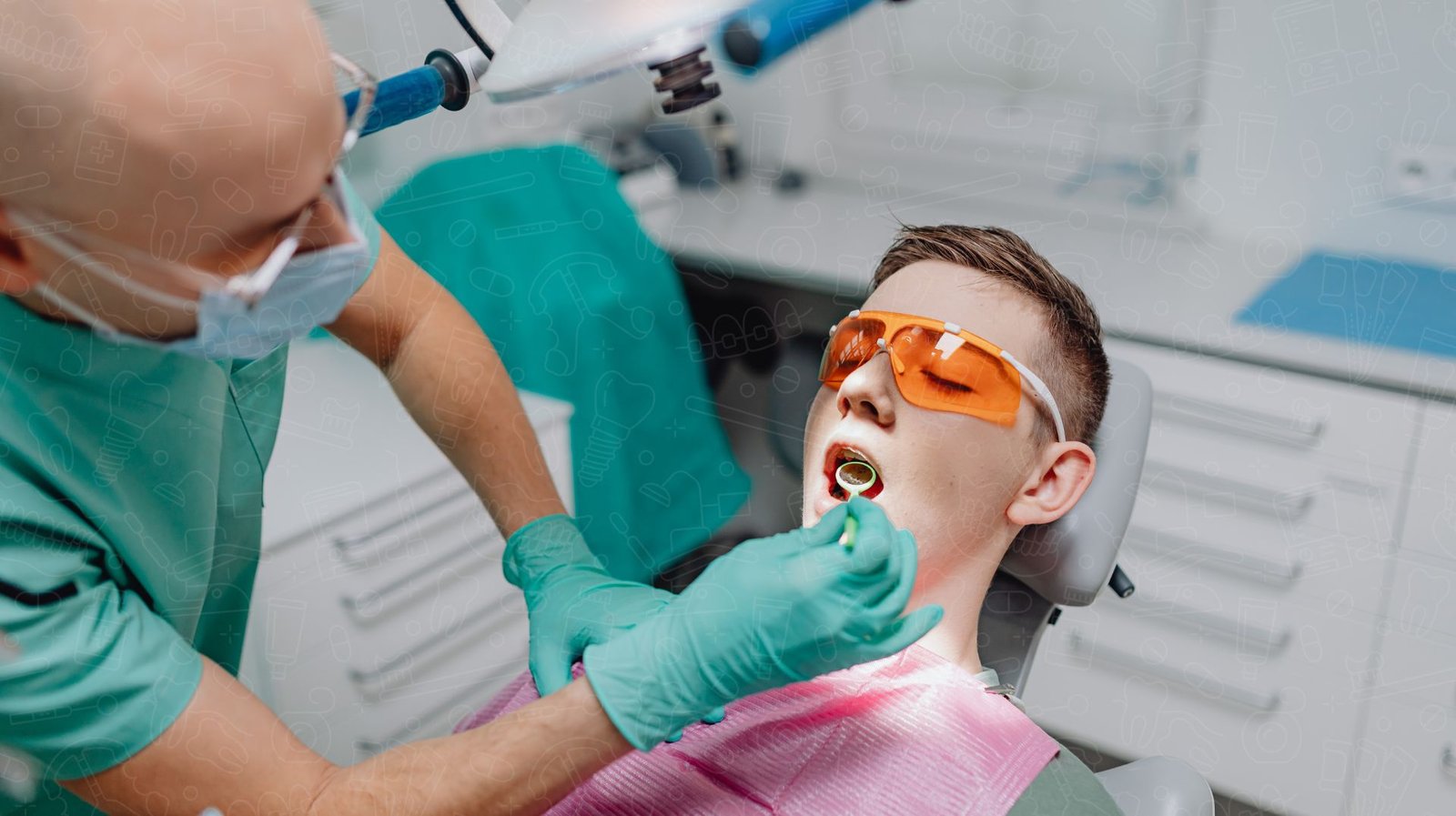
Regular professional checkups are essential for maintaining the integrity and longevity of dental crowns and bridges. These restorations, while durable, require ongoing evaluations by dental professionals to ensure their optimal function. During routine visits, dentists perform comprehensive examinations of crowns and bridges, checking for any signs of wear, damage, or adjustment needs. This preventive care helps to identify potential issues before they escalate into more significant problems, such as infection or complete loss of the restoration.
Dental hygienists also play a vital role in these appointments, providing thorough cleanings that help remove plaque and tartar buildup around crowns and bridges. Maintaining a healthy oral environment is crucial, as bacteria can lead to complications affecting both the restorations and surrounding natural teeth.
Moreover, professionals can offer personalized advice on home care techniques and appropriate dental hygiene products to extend the lifespan of crowns and bridges. By establishing a routine that incorporates regular checkups—ideally every six months—patients can significantly enhance their oral health outcomes. Long-term care strategies, including avoiding certain habits such as teeth grinding or using teeth as tools, can further contribute to the durability of these dental solutions. In essence, consistent professional oversight is key to ensuring that dental crowns and bridges remain effective and functional throughout their lifespan.
Conclusion
In summary, dental crowns and bridges serve as essential components in restorative dentistry, offering both functionality and an enhanced smile for individuals facing tooth damage or loss. Proper maintenance and care are vital to ensuring their longevity, as neglect could lead to complications that might jeopardize overall oral health. By adhering to daily cleaning practices, making informed dietary choices, and being vigilant for any warning signs that require professional attention, patients can significantly extend the lifespan of these dental restorations.
Regular professional checkups not only provide the opportunity for early diagnosis of potential issues but also allow dental professionals to offer personalized advice on maintaining optimal oral health. Understanding the critical role that dental crowns and bridges play, along with implementing effective care strategies, empowers individuals to safeguard their investments in smile restoration.
Ultimately, this awareness equips patients with the knowledge needed to make informed decisions regarding their dental health, promoting a lasting positive impact on their self-esteem and well-being. By prioritizing maintenance and professional care, patients can ensure that their crowns and bridges fulfill their purpose effectively, allowing them to enjoy a functional and aesthetic smile for years to come.