Introduction
The significance of early baby teeth care cannot be overstated, as it lays the groundwork for a child’s oral health and overall well-being. These primary teeth, often seen as temporary, play a crucial role in guiding permanent teeth into place, while also facilitating key functions such as chewing and speech development. Unfortunately, many parents overlook the importance of establishing a dental care routine early on, jeopardizing their child's future oral health.
With over 80% of children experiencing some form of tooth decay by age five, early intervention and prevention strategies are vital. Simple practices like gentle gum cleaning, the introduction of soft toothbrushes, and regular dental check-ups pave the way for lifelong positive dental habits. Furthermore, an emphasis on nutrition, including essential vitamins and minerals, contributes significantly to robust teeth and gums.
This article seeks to enlighten parents about the various aspects of baby teeth care, from effective daily routines to understanding common dental issues. By recognizing the impact of early dental hygiene and nutrition on their child’s development, caregivers can foster healthier smiles that last a lifetime. As we explore the essential elements of baby teeth care, readers will gain valuable insights into cultivating a proactive approach to their child's oral health, emphasizing the significance of starting early.
Importance of Early Baby Teeth Care
Early baby teeth care is crucial for the long-term oral health and overall development of children. Often underestimated, primary teeth play a significant role in guiding the proper alignment of permanent teeth as they emerge. Healthy baby teeth facilitate essential functions such as chewing, which contributes to adequate nutrition and digestion. Furthermore, they are vital for speech development, enabling infants to articulate sounds and words clearly.
Neglecting dental care during infancy can lead to early decay, which may result in pain and the potential for infections. Additionally, issues with baby teeth can adversely affect a child’s self-esteem and social interactions as they grow older. Establishing a routine for early dental care can significantly impact a child's long-term oral hygiene habits.
Parents are encouraged to instill good practices from the very start, such as cleaning the gums even before teeth appear. Using soft cloths or age-appropriate toothbrushes helps introduce babies to oral hygiene. By recognizing the importance of baby teeth and implementing preventative measures, families can support their children's overall health and set a strong foundation for future dental visits, ensuring a lifetime of healthy smiles.
Daily Oral Hygiene Routine for Babies
Establishing a daily oral hygiene routine for babies is essential to promote healthy dental development and prevent future oral health issues. From the moment a baby's first tooth emerges, parents should begin implementing appropriate cleaning methods.
For infants, cleaning the gums with a soft, damp washcloth after feedings can help remove plaque and bacteria. Once teeth appear, using a small, soft-bristled toothbrush with a rice-sized amount of fluoride toothpaste is recommended. This practice not only cleans the teeth effectively but also helps children become accustomed to regular brushing.
Around the age of one, parents should aim to brush their baby's teeth twice a day. Additionally, using a toothbrush specifically designed for infants can make the process easier and more enjoyable. Incorporating fun elements, such as brushing together, can create a positive association with oral hygiene.
As babies transition to solid foods, ensuring a balanced diet can further enhance oral health. Reducing sugary snacks and encouraging water intake during and after meals can help minimize the risk of tooth decay.
Regular dental check-ups, starting around the first birthday, are also crucial in supporting a child’s oral hygiene routine. By establishing these daily habits early, parents can help lay the foundation for a lifetime of good oral health in their children.
Nutrition and Its Role in Baby Teeth Health
Proper nutrition is fundamental in supporting the development of healthy baby teeth. A balanced diet not only fuels overall growth in infants but also plays a crucial role in the formation and durability of their teeth. Key nutrients, such as calcium, phosphorus, and vitamins A, C, and D, are essential for strong tooth enamel and healthy gums.
Calcium, found in dairy products and fortified alternatives, helps to build strong bone structures, including the jaw that supports baby teeth. Phosphorus, present in meats, fish, and nuts, works synergistically with calcium to enhance dental health. Vitamins, particularly vitamin D, facilitate calcium absorption, making it vital for infants' diets.
In addition to specific nutrients, limiting sugary foods and drinks can significantly reduce the risk of dental decay in young children. Regularly offering fruits, vegetables, whole grains, and dairy not only encourages healthy eating habits but also promotes better oral hygiene. Parents should be mindful of the timing and consistency of sugary snacks, as prolonged exposure may contribute to the development of cavities.
Overall, a thoughtful approach to nutrition fosters optimal dental health in babies, laying the groundwork for strong teeth and a healthy mouth throughout their developmental stages. Establishing a nutritious diet early on can create favorable outcomes for long-term oral well-being, illustrating the connection between what children eat and the health of their baby teeth.
Teething Tips and Soothing Techniques
Managing teething discomfort is an essential aspect of maintaining a baby's oral health. Teething usually begins around six months of age, and while this process is natural, it can often cause irritability and discomfort for infants. Parents can adopt various effective techniques to soothe their babies during this challenging phase.
One popular method is to provide safe teething toys that are specifically designed for infants. These toys, often made from soft materials, can help alleviate gum discomfort through gentle pressure. Another approach is to chill a clean washcloth or teething ring in the refrigerator; the cooling sensation can provide additional relief for sensitive gums.
Additionally, gentle gum massages with a clean finger can ease pain and discomfort. Parents should ensure that their hands are washed thoroughly before doing this to maintain hygiene. In some cases, a pediatrician may recommend over-the-counter pain relief options specifically formulated for infants, though it is vital to consult a healthcare professional before giving any medication.
Maintaining good gum health during the teething process is crucial. Parents can continue with regular oral hygiene routines by gently cleaning the gums with a soft, damp cloth. By employing these soothing techniques, parents can help their infants navigate teething while laying the groundwork for healthy oral hygiene practices as they grow.
Common Baby Teeth Problems and Prevention
Identifying and preventing common dental issues in babies is crucial for ensuring their oral health from an early age. One prevalent problem is tooth decay, which can occur even in baby teeth, often due to inadequate cleaning or excessive exposure to sugary liquids. Parents should implement a consistent oral hygiene routine that includes wiping the gums with a clean, damp cloth before teeth emerge and using a soft-bristled toothbrush once they do.
Another issue is teething discomfort. While it is a natural part of growth, management strategies such as providing safe teething toys or cold, clean washcloths can help soothe sore gums. It's essential to avoid medications and solutions not recommended by healthcare professionals.
Misalignment of baby teeth, often due to thumb-sucking or prolonged use of pacifiers, can lead to dental complications as the child grows. Parents are encouraged to monitor these habits and gently guide their children towards alternative soothing methods when necessary.
Regular dental check-ups are vital for early detection of any emerging problems. By being proactive and maintaining good oral hygiene, parents can significantly reduce the chances of dental issues, ensuring that their child's baby teeth serve their purpose effectively until they naturally fall out. Building these habits early lays the foundation for a lifetime of healthy smiles.
When to Schedule the First Dental Visit
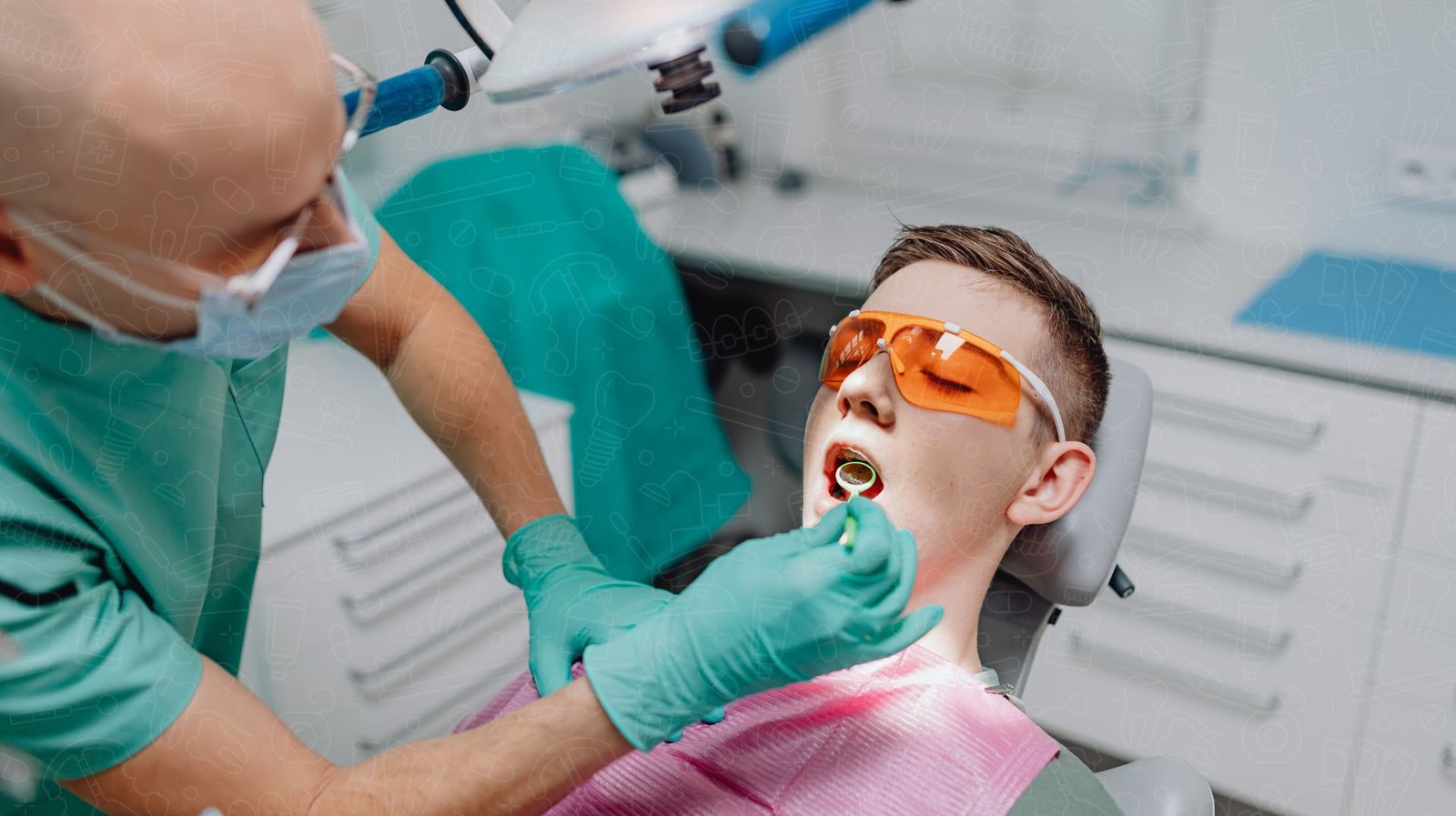
The timing of a child's first dental visit is crucial for establishing a foundation of good oral health. According to dental experts, it is recommended that parents schedule their child’s first dental appointment by the age of one, or within six months after the eruption of the first baby tooth. Early visits facilitate a positive relationship between the child and the dentist, setting the stage for future dental care.
During this initial appointment, the dentist will conduct a thorough examination of the child's teeth, gums, and mouth. This proactive approach allows for the early detection of potential issues such as cavities or alignment problems. Additionally, it provides an opportunity for parents to learn about effective oral hygiene practices tailored to their child’s developmental stage.
Moreover, early dental visits can help in reinforcing the importance of good dental habits, including proper brushing techniques and dietary choices that support healthy teeth. Parents are encouraged to ask questions regarding their child's oral health and any concerns they may have about teething or nutrition.
In summary, the first dental visit is a significant step in ensuring long-term oral health. By prioritizing this early appointment, parents can help their children build a strong foundation for a lifetime of healthy smiles.
Conclusion
In conclusion, the importance of early baby teeth care cannot be overstated, as it plays a critical role in shaping a child's overall oral health and development. Establishing a routine that encompasses daily oral hygiene, nutritional awareness, and proactive dental visits sets the foundation for lifelong healthy habits. Through gentle cleaning techniques and the timely introduction of dental check-ups, parents can combat the prevalence of tooth decay and its associated challenges.
Nutrition also serves as a cornerstone of dental well-being, with the right balance of vitamins and minerals significantly contributing to strong, healthy teeth. Moreover, understanding common dental issues and implementing effective parenting strategies can alleviate discomfort and prevent long-term consequences.
By embracing these practices, caregivers not only foster immediate oral health but also cultivate a positive and informed attitude toward dental care as their children grow. A child’s first dental visit marks a pivotal moment in their healthcare journey, reinforcing the essence of early intervention and preventive measures.
Ultimately, prioritizing early baby teeth care creates a ripple effect that benefits children's confidence, speech, and nutritional intake. As families embark on this journey, the commitment to nurturing their child's oral health will undoubtedly lead to brighter, healthier smiles for years to come.