Skip to content

Introduction
The significance of maintaining optimal oral health for seniors cannot be overstated, as age-related changes often lead to increased vulnerability to dental conditions. Regular dental cleanings become a cornerstone of oral care for the aging population, playing a pivotal role in preventing issues such as gum disease, tooth decay, and other complications. As individuals age, they may encounter various challenges affecting their oral hygiene practices, including mobility issues, cognitive decline, and medications that contribute to dry mouth.
Dental cleanings not only help in the removal of plaque and tartar—substances that regular brushing may not fully eliminate—but also provide an invaluable opportunity for professionals to identify and address early signs of dental problems. Furthermore, these cleanings empower seniors to adopt preventive measures tailored to their unique needs, thus enhancing their overall well-being.
In this article, readers will explore the multifaceted aspects of dental cleaning needs specific to seniors. From managing dry mouth and gum recession to addressing the unique challenges posed by existing dental restorations and mobility issues, understanding these key topics is essential for promoting lifelong oral health. By emphasizing the importance of regular dental care tailored to seniors, individuals can make informed decisions that significantly contribute to their quality of life and maintain a confident smile throughout their golden years.
Understanding Dental Cleaning Needs in Seniors
As individuals age, their oral health requirements become increasingly complex, making regular dental cleanings vital for seniors. Aging can lead to various changes in the mouth, such as a higher incidence of gum disease, tooth decay, and other dental issues that necessitate a proactive approach to oral care. Seniors often experience difficulty maintaining oral hygiene due to mobility challenges, cognitive decline, or diminished dexterity, which can heighten the risk of serious dental problems.
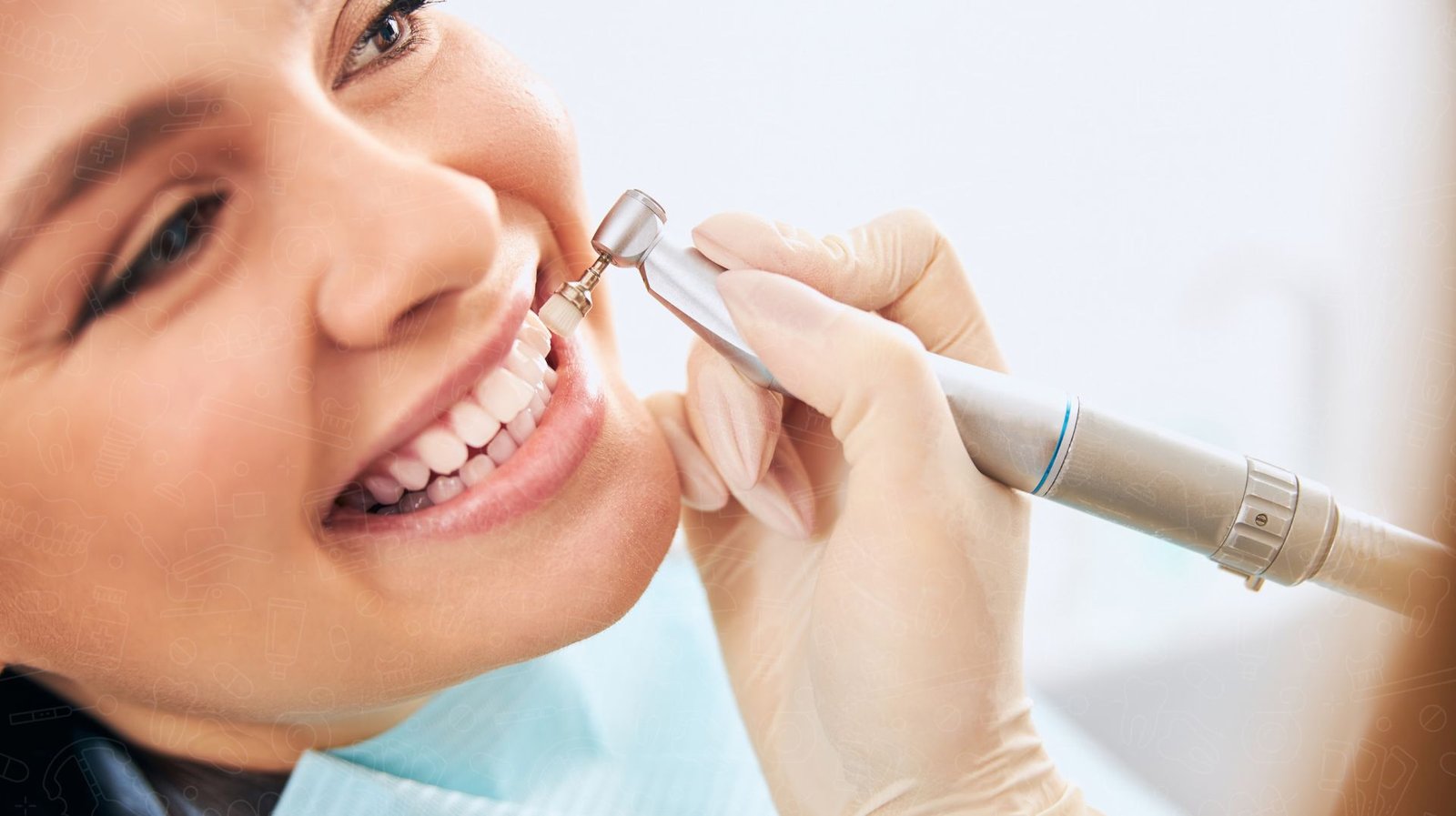
Routine dental cleanings play a crucial role in preventing these issues, as they allow dental professionals to remove plaque and tartar buildup that regular brushing may miss. Furthermore, seniors’ increased susceptibility to conditions like dry mouth—often caused by medications—can exacerbate dental health concerns, making professional cleanings even more essential.
In addition, dental cleanings provide an opportunity for early detection of emerging problems, such as gum recession or tooth sensitivity related to aging. These assessments can help manage complications before they escalate, ensuring that seniors maintain not only their oral health but also their overall well-being. Engaging in regular dental visits tailored to the unique needs of the elderly population significantly contributes to sustaining healthy teeth and gums while promoting quality of life throughout the aging process.
Addressing Dry Mouth and Its Impact on Oral Health
Dry mouth, medically known as xerostomia, is a common condition among seniors that significantly influences oral health and increases the necessity for regular dental cleaning. Various factors contribute to dry mouth, including age-related changes in salivary gland function, certain medications, and medical conditions such as diabetes. With reduced saliva production, seniors may face a heightened risk of cavities, gum disease, and oral infections, necessitating more frequent dental visits.
Saliva plays a crucial role in neutralizing acids produced by bacteria, facilitating the natural remineralization of teeth, and maintaining overall oral hygiene. For seniors experiencing dry mouth, dental cleanings are essential to remove plaque and tartar build-up that can exacerbate their already vulnerable oral health situation. Dentists often recommend supplemental saliva substitutes, fluoride treatments, and lifestyle adjustments to help manage dry mouth symptoms effectively.
Regular dental cleanings not only address the immediate effects of dry mouth but also empower seniors with knowledge about maintaining their oral health at home. This dual approach helps mitigate the risks associated with dry mouth, allowing for a healthier, more comfortable lifestyle. Ultimately, understanding the relationship between dry mouth and oral health underlines the importance of tailored dental care solutions for the senior population.
Managing Gum Recession and Exposed Roots
Gum recession is a common dental issue among seniors, often exacerbated by age-related health changes. As gums recede, they expose the delicate roots of teeth, increasing the risk of sensitivity, decay, and periodontal disease. Seniors may find that their existing oral hygiene practices require adjustment in light of this condition. Regular professional dental cleanings become critical for this demographic, as they help to remove plaque and tartar build-up that can lead to further complications.
During a dental cleaning, dental professionals can assess the extent of gum recession and provide tailored recommendations for at-home care. This may include the use of specialized toothpaste designed for sensitive teeth or education on gentle brushing techniques that minimize further gum irritation. By managing exposed roots and promoting overall oral health, regular dental cleanings can significantly mitigate the risks associated with gum recession.
Furthermore, dental cleanings offer the opportunity to evaluate other age-related oral health concerns that may develop alongside gum recession. Conditions such as tooth decay, which disproportionately affects exposed roots, can be effectively addressed with preventative care. Ensuring that seniors maintain a schedule of regular dental visits facilitates an ongoing dialogue about their oral health needs, ultimately fostering a proactive approach to managing gum recession and enhancing overall well-being. By understanding the importance of professional cleanings, seniors can better protect their dental health and maintain a confident smile throughout their golden years.
Dental Cleaning for Seniors with Existing Restorations
As individuals age, they often require dental restorations such as crowns, bridges, and fillings. It’s essential for seniors with these existing restorations to engage in routine dental cleaning to maintain overall oral health. Regular cleanings help prevent plaque buildup, which can lead to complications around these restorations. Many seniors may not realize that deterioration may occur around the margins of a crown or bridge if not adequately maintained.
Furthermore, dental cleanings provide an opportunity for a professional examination of these restorations. Dentists can identify early signs of wear or damage, ensuring that necessary repairs or replacements can be made promptly. Individuals with bridges should be particularly mindful, as oral hygiene is crucial to prevent decay in the supporting teeth.
During dental cleanings, specialized tools may be used to effectively clean around these restorations, providing a thorough treatment that at-home care may not achieve. Dentists can also offer tailored advice on proper maintenance techniques that accommodate the unique challenges faced by seniors.
Ultimately, by prioritizing regular dental cleanings, seniors with existing restorations can significantly extend the life of their dental work and enhance their overall oral health. Educating patients on the importance of these services is vital to ensuring they remain proactive in managing their dental care and maintaining a healthy smile.
Overcoming Mobility Challenges in Dental Care
Seniors often face mobility challenges that can hinder their ability to seek regular dental cleanings. These challenges may stem from conditions such as arthritis, balance issues, or general frailty, making it crucial for caregivers and dental professionals to implement strategies that facilitate access to dental care.
One effective approach is to schedule dental appointments during off-peak hours, allowing for a more relaxed environment that eases anxiety and physical strain. Home dental visits can also be a viable solution for seniors unable to travel to a dental office. Mobile dental units are equipped to provide quality care in the comfort of a senior’s home, helping to bridge the gap in access to necessary dental services.
In addition, utilizing transportation services designed for seniors can mitigate the barriers posed by mobility limitations. These services can ensure that individuals arrive at their appointments safely and comfortably. Furthermore, creating a supportive routine involving family members or friends who assist with transportation can promote consistent dental visits.
It is also beneficial for dental providers to have facilities that are wheelchair accessible and equipped with supportive devices, ensuring that all patients feel welcome and capable of receiving care. Overall, understanding and addressing mobility challenges are essential components of promoting dental health in seniors, reinforcing the importance of maintaining regular dental cleanings and proactive oral care.
Special Care for Dentures and Individualized Preventive Approaches
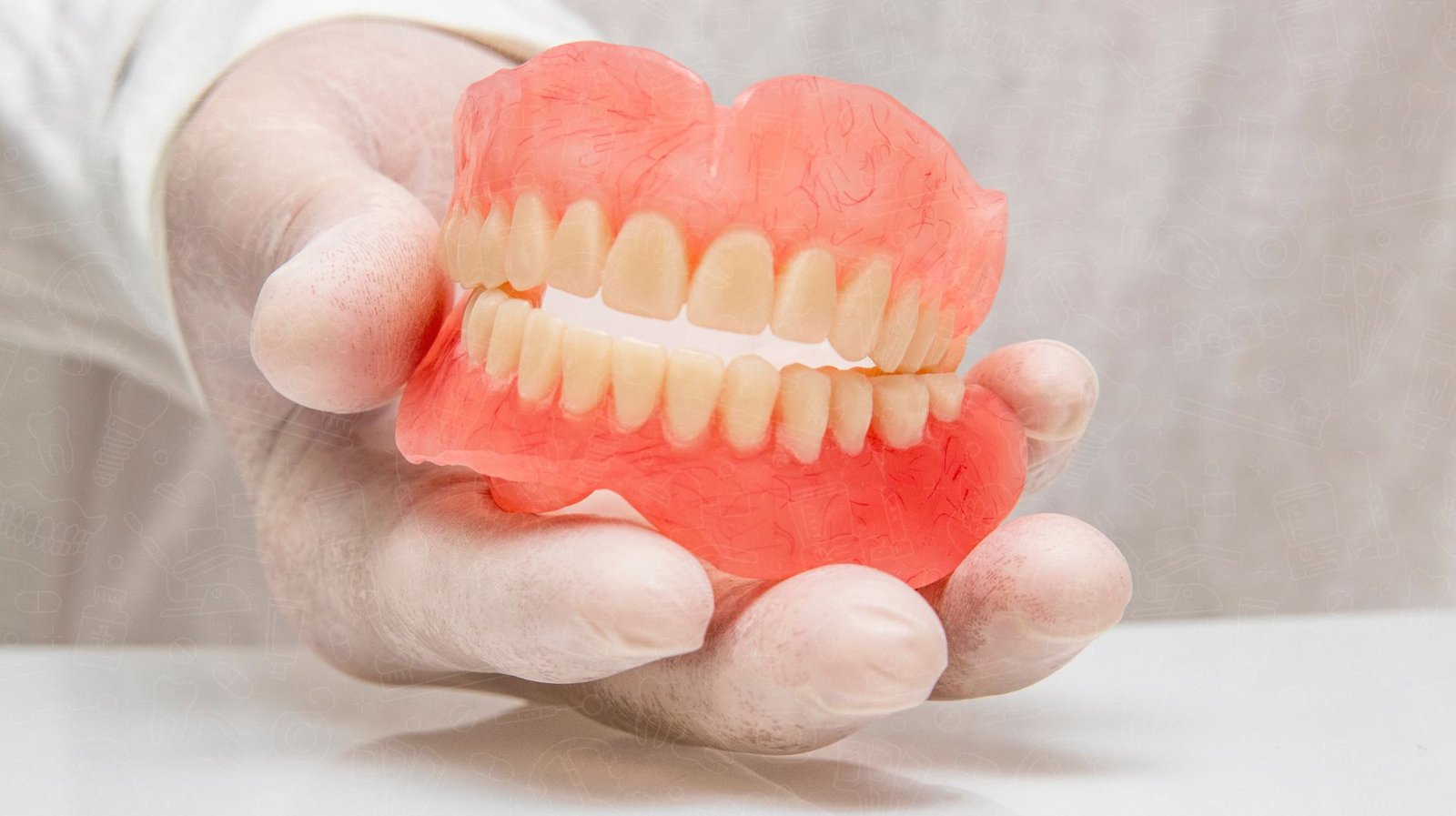
As seniors may often rely on dentures, understanding the importance of proper denture hygiene is crucial for maintaining oral health. Regular dental cleanings become even more significant in this context, as professional care can help identify issues such as ill-fitting dentures and potential oral infections. Proper cleaning techniques for dentures, including daily brushing and soaking, play a vital role in preventing plaque buildup and mitigating the risk of gum disease.
Moreover, individualized preventive approaches are essential when caring for seniors who wear dentures. Dental professionals often recommend the use of specific cleaning solutions designed for dentures, in addition to routine check-ups. These appointments enable dentists to assess the fit of the dentures and make necessary adjustments, ensuring comfort and promoting overall oral health.
For those who might experience difficulties with denture maintenance, personalized care plans that incorporate additional support can make a significant difference. Strategies may include education on the best cleaning practices or consultations to evaluate if alternative dental solutions could be more suitable.
Ultimately, fostering effective denture hygiene and implementing tailored preventive care not only enhances the longevity of dental appliances but also supports the overall well-being of seniors. Regular dental cleanings, paired with appropriate individualized strategies, significantly contribute to maintaining optimal oral health in aging populations.
Conclusion
In conclusion, the importance of regular dental cleanings for seniors cannot be emphasized enough. As individuals age, unique oral health challenges such as gum disease, tooth decay, dry mouth, and the need for ongoing care of dental restorations arise. By prioritizing routine dental visits, seniors can not only mitigate these risks but also enhance their overall quality of life. Dental cleanings serve as a vital mechanism for removing plaque, identifying early signs of issues, and educating seniors on effective oral hygiene practices tailored to their specific conditions.
Furthermore, addressing mobility challenges and ensuring proper denture care are crucial components of maintaining dental health in the elderly population. With the right strategies in place, such as mobile dental units or transportation services, access to necessary care can be significantly improved. Professional guidance empowers seniors to adopt practices that promote their well-being, ensuring that they can achieve and maintain a confident smile well into their later years.
Ultimately, understanding the multifaceted aspects of dental care for seniors equips both individuals and caregivers with the knowledge needed for proactive oral health management. By emphasizing the value of regular dental cleanings, seniors can take vital steps towards a healthier future, preserving their dental health and enhancing their overall life satisfaction.